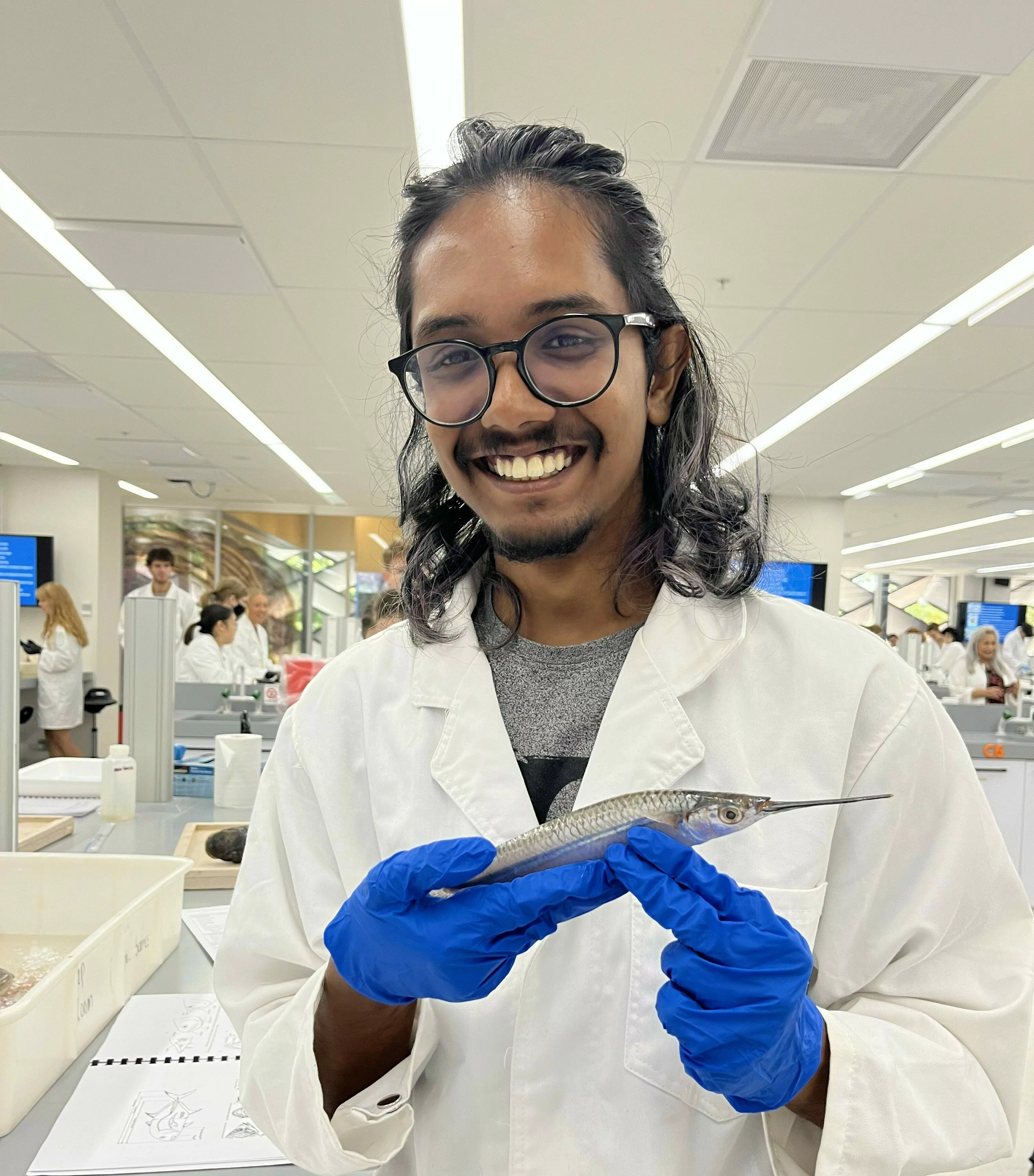
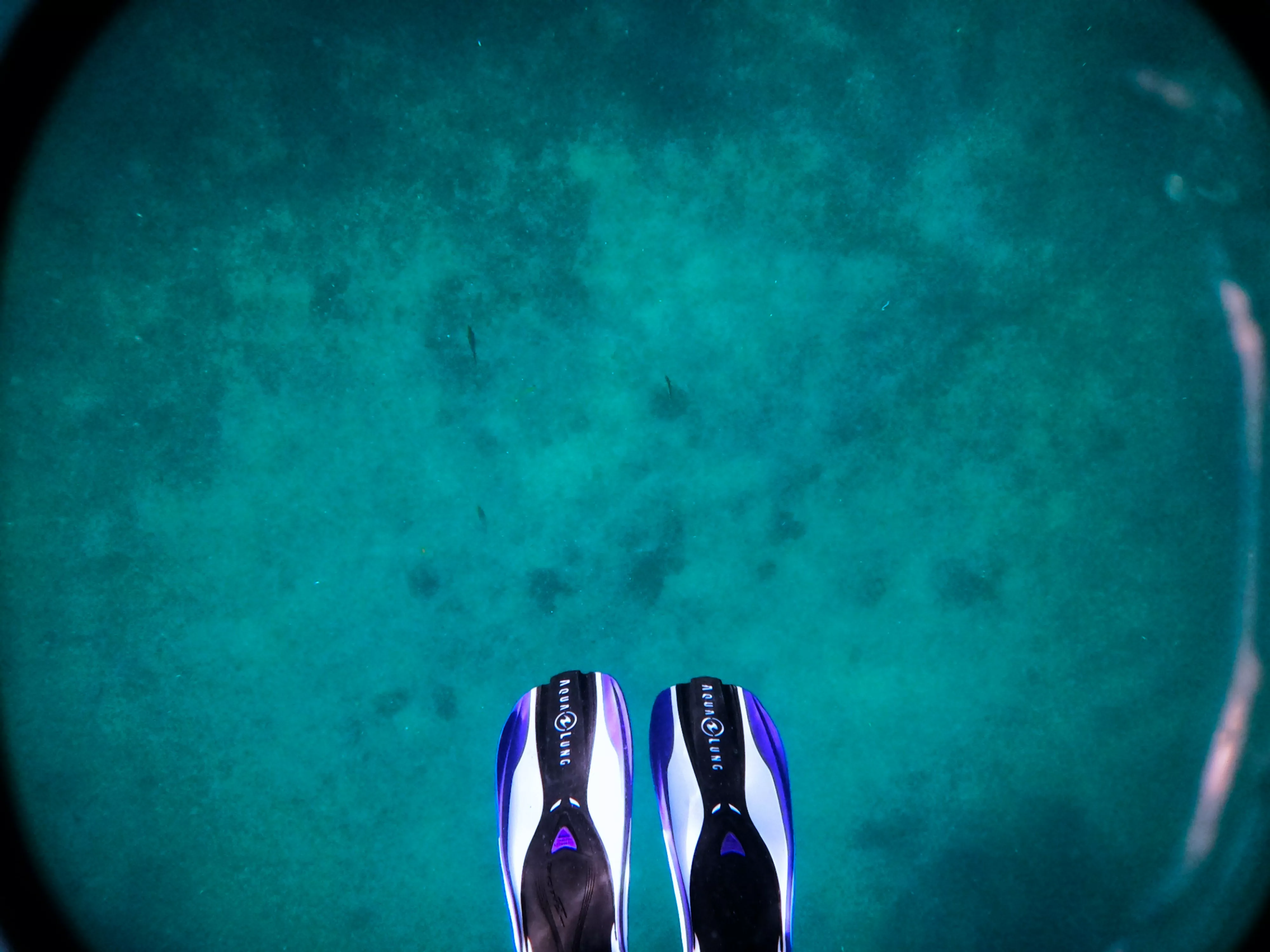
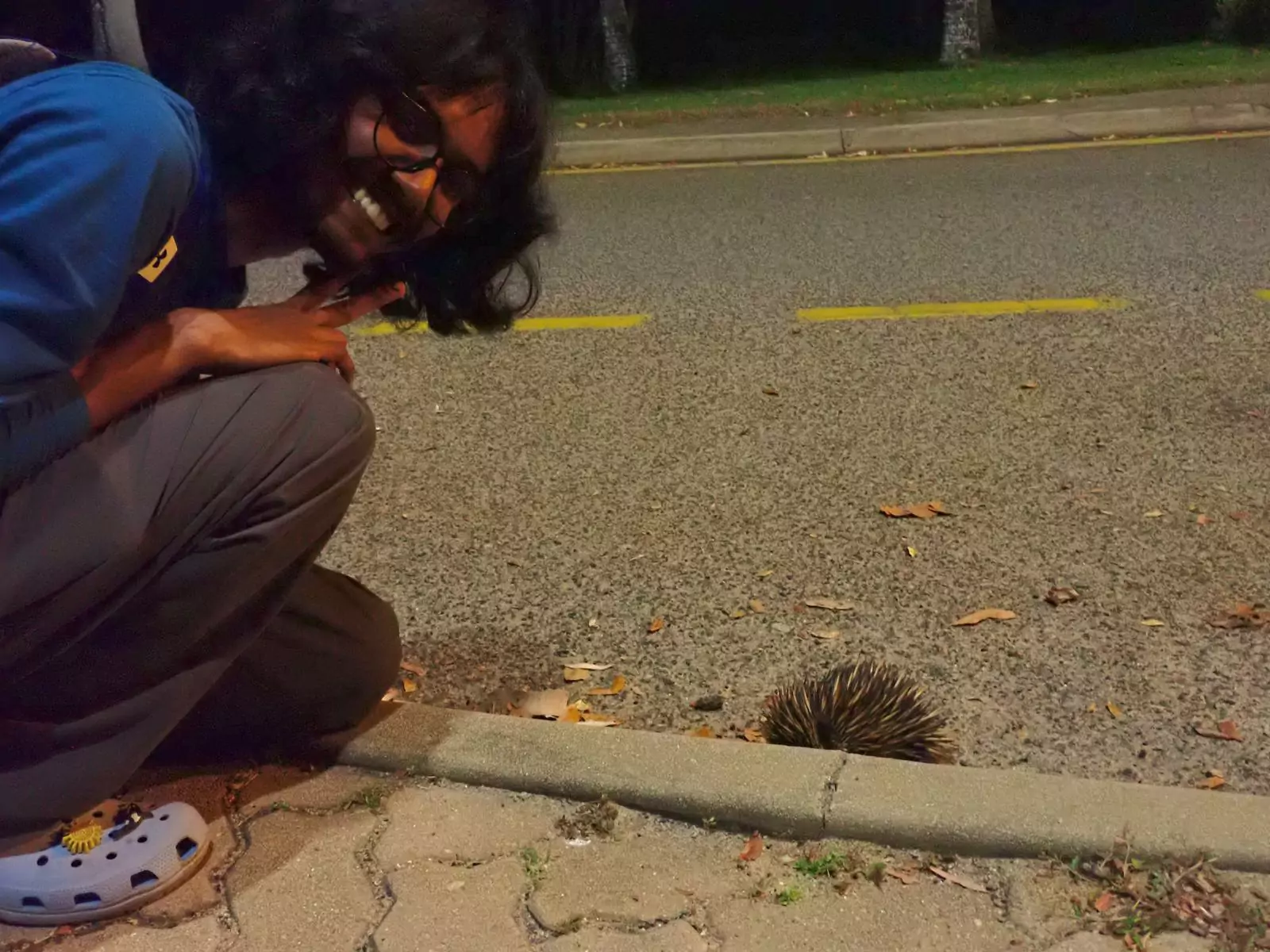
If you’re asked to think of a marine scientist, do you think of someone who gets to study and swim with cool fish or sharks? If so, you’re not far off! In fact, I used to think the same until I actually chose to become one. But being a marine scientist is actually so much more. If you’d like to; you can study the way water moves around the world, understand different seasons in the ocean, learn how the animals and their homes change, and find if these animals get along. When I decided to study here in Tassie, I wasn’t sure what part I wanted to work on, so I thought why not all of the above?
Being a scientist sometimes can be like being a detective. The ocean holds so many different clues on what’s happening underneath (and above) the waves, and I found out that a lot of these clues point towards a pretty big crime: an event called a regime shift. These events happen when a place has changed so much that the things that used to live there are mostly replaced by things that live elsewhere, completely changing how that part of the ocean looks. Similar to a detective, I decided to look at these clues to see if this had happened where we live and find the culprits behind this crime. Although I did find lots of evidence, I realised that we need even more clues to be able to be sure.
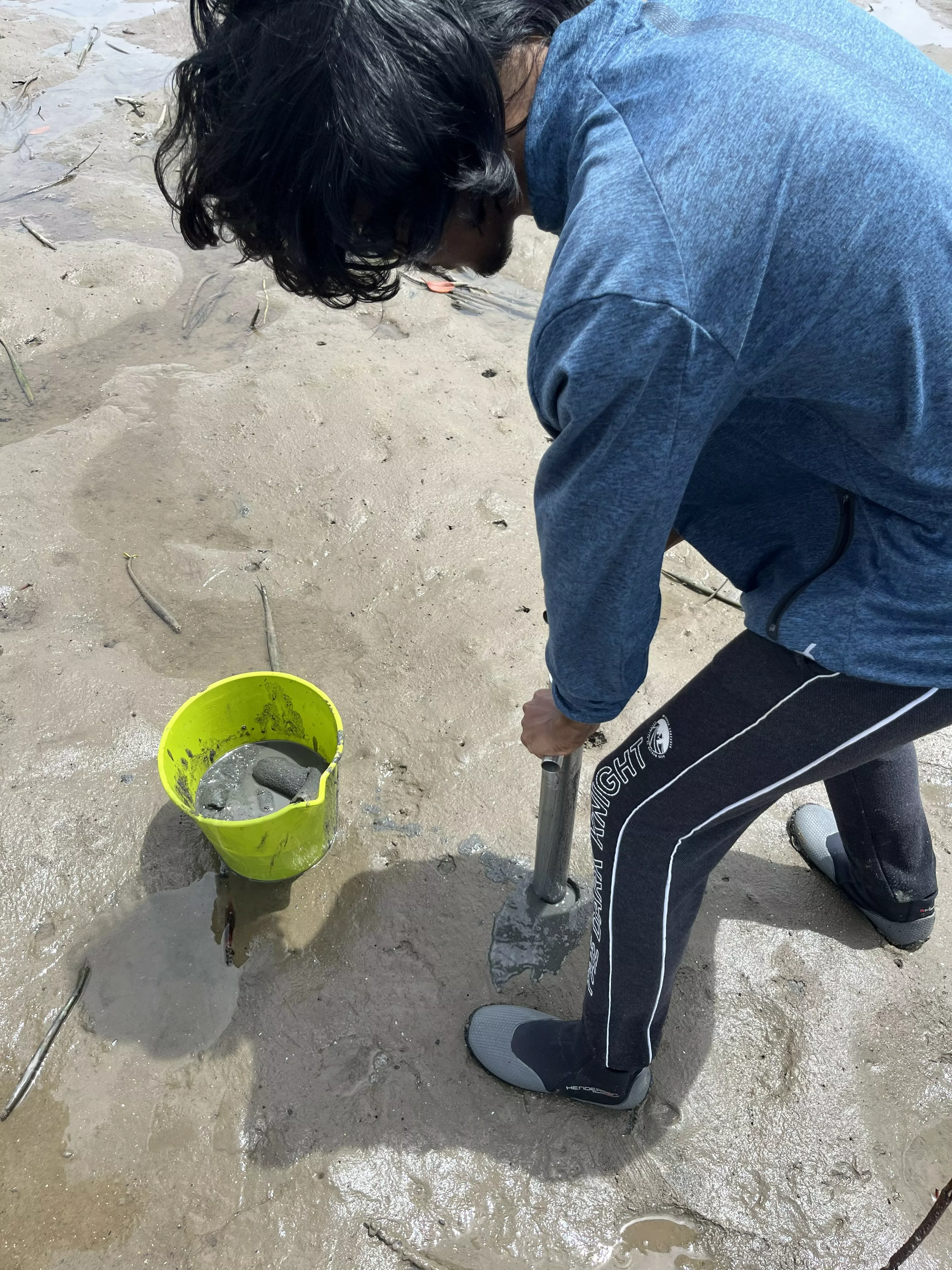
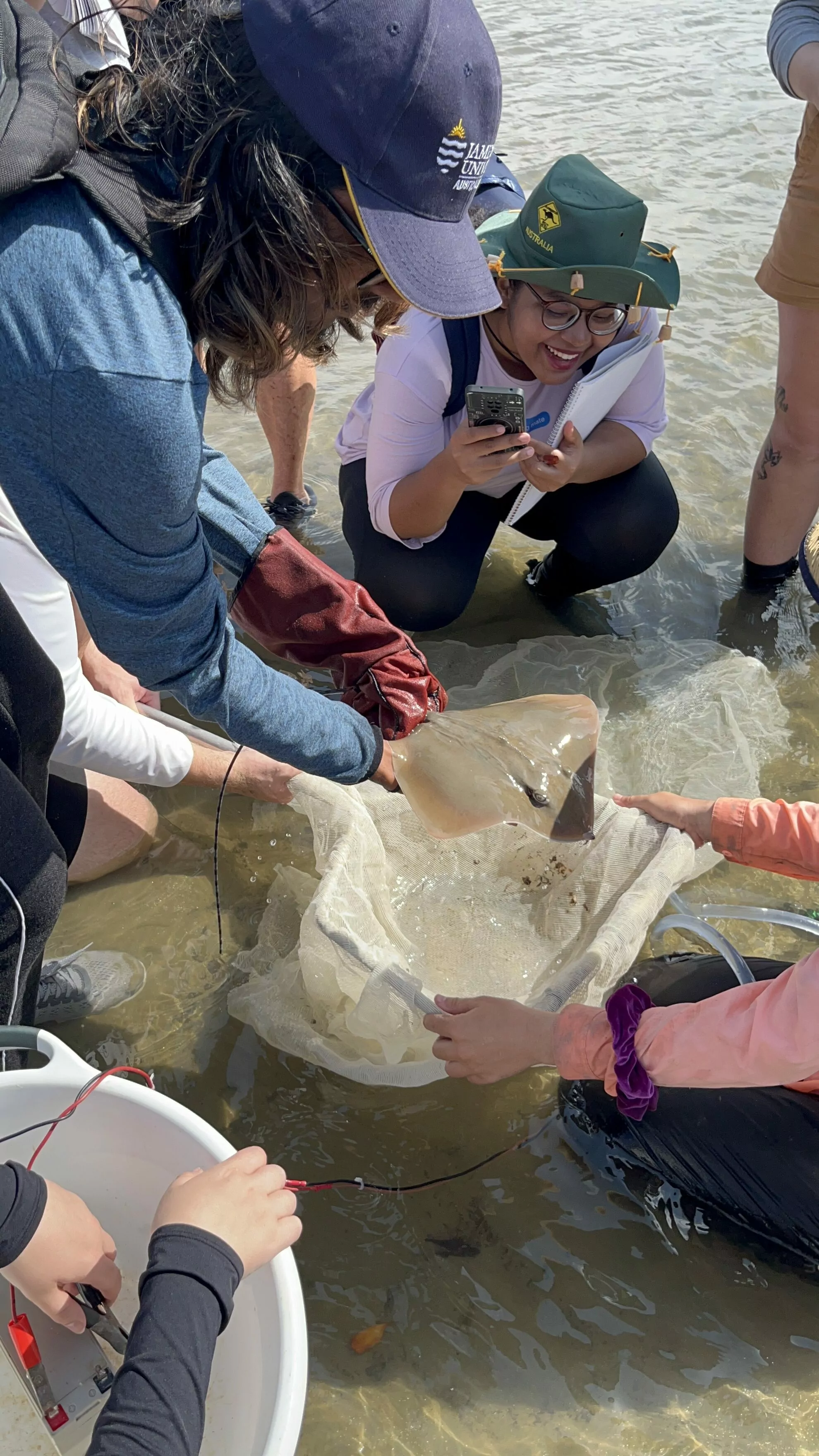
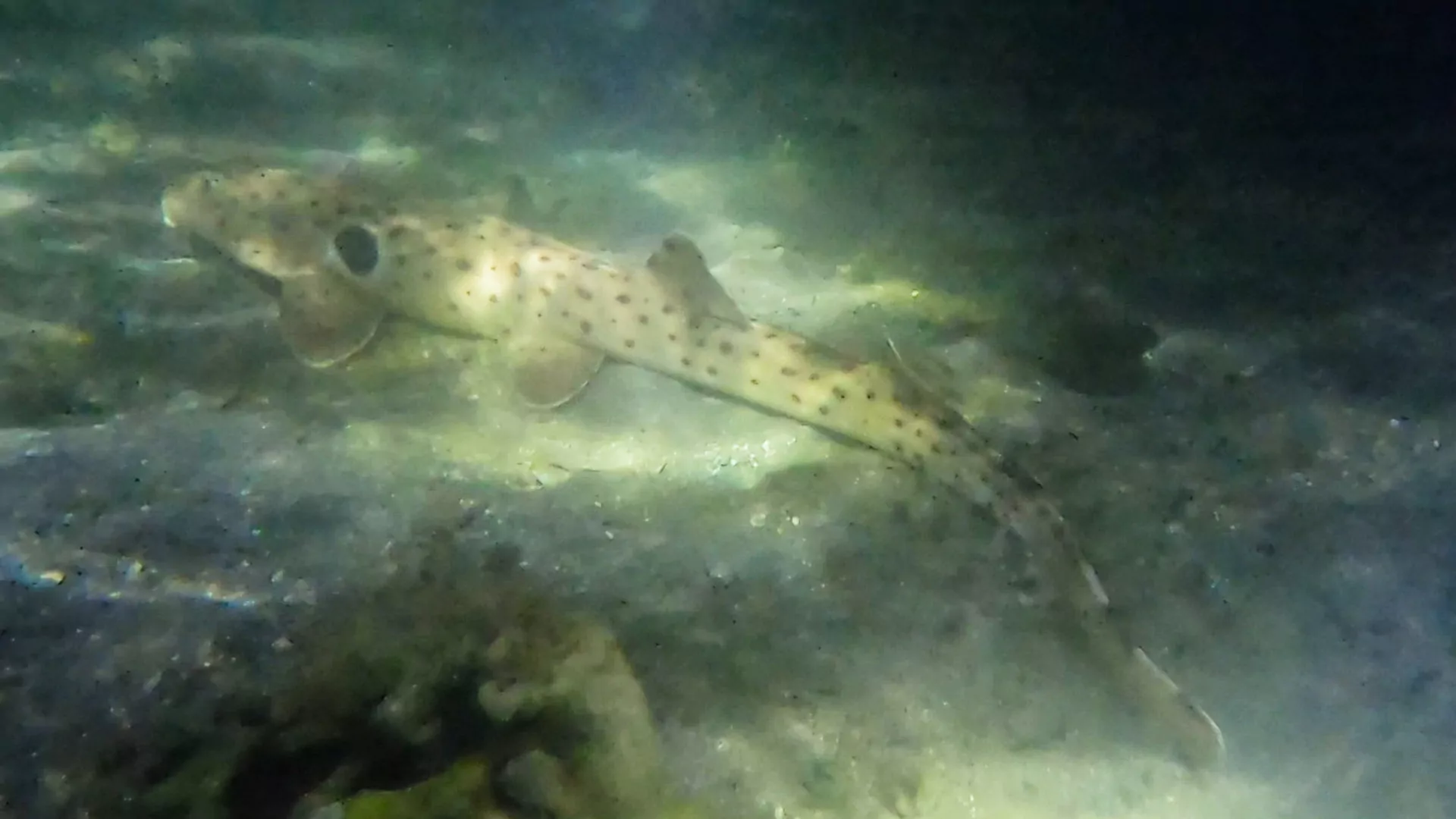
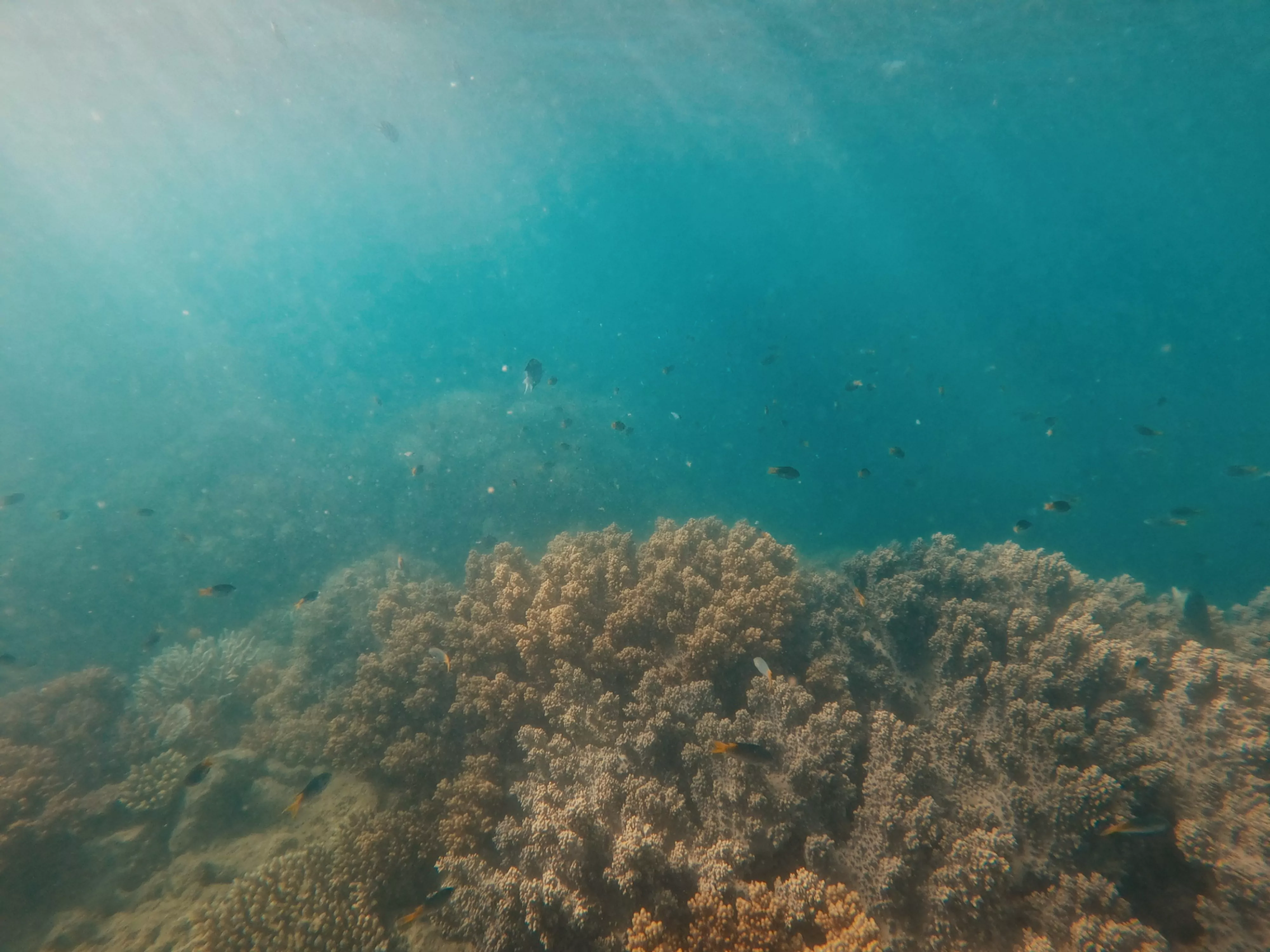
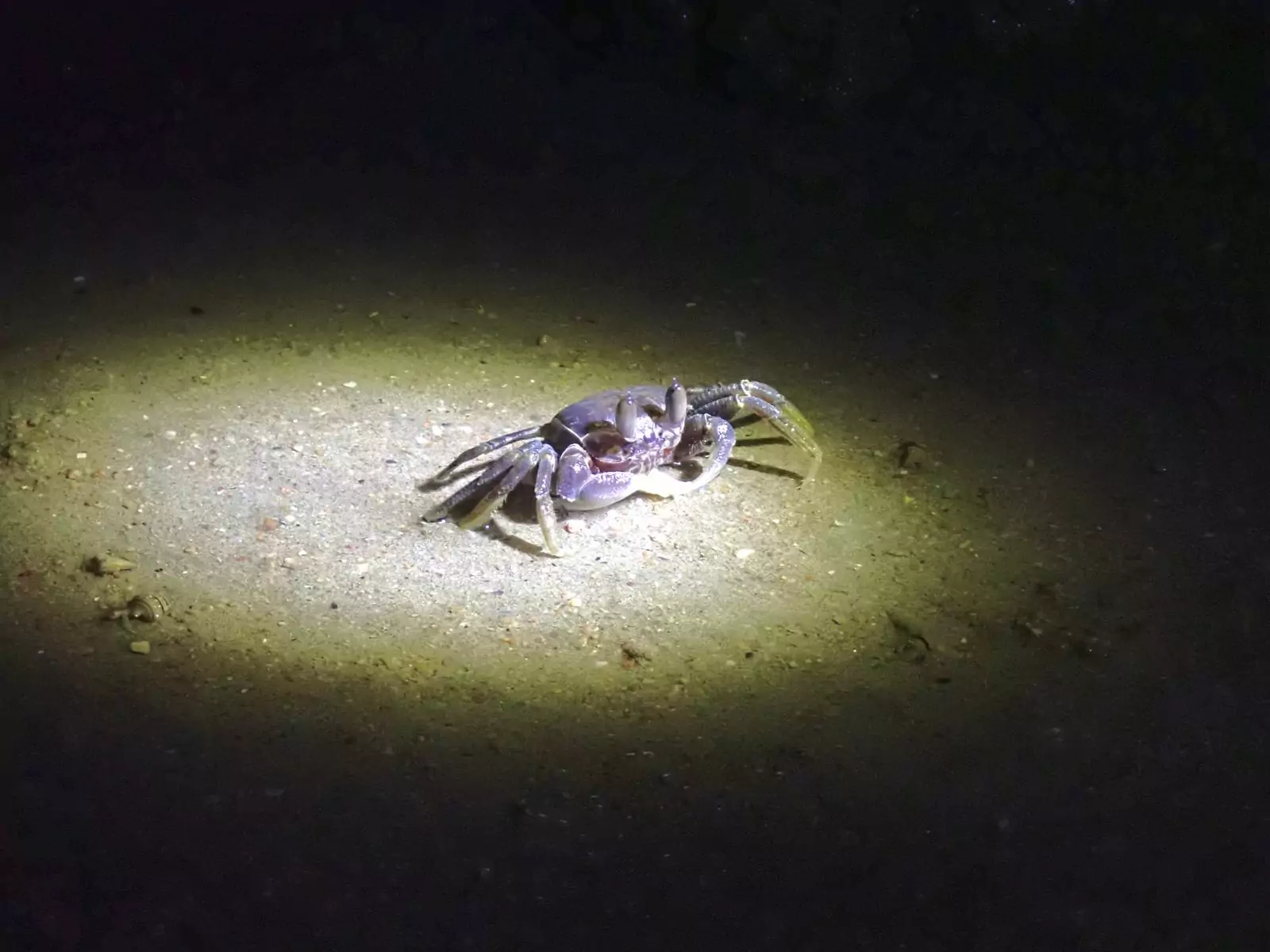
Before my detective work, I used to work in rainforests to catch bugs as a research assistant and got to do many other cool things like catch and release a stingray, look for sharks, dig up fossils (and keep some), kayaking to catch crabs, and sometimes walk or swim in a coral reef between my classes.
As you can see, the possibilities as a marine scientist are endless, so even if you don’t want to freeze in the cold water you can still be a marine scientist!