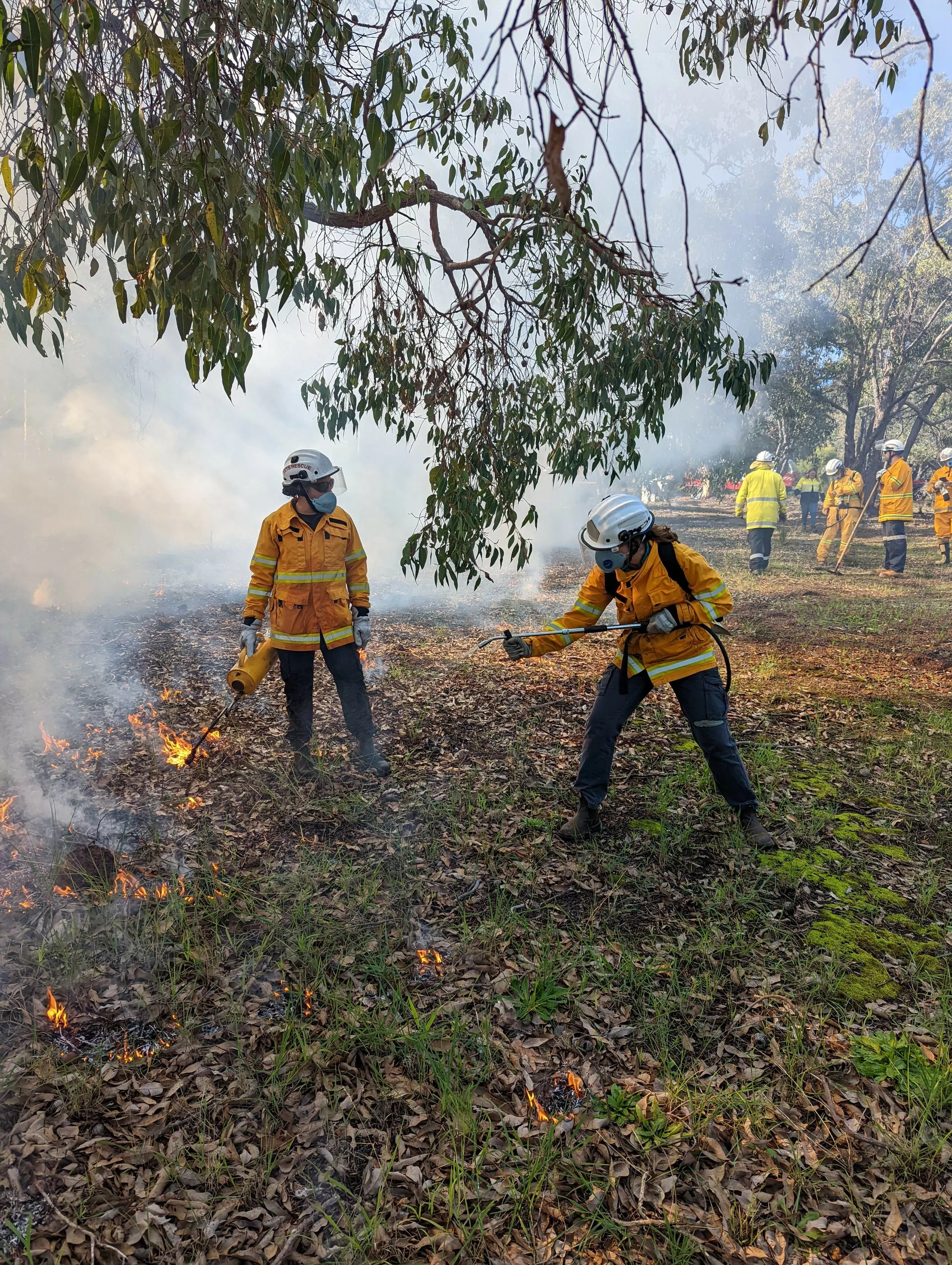
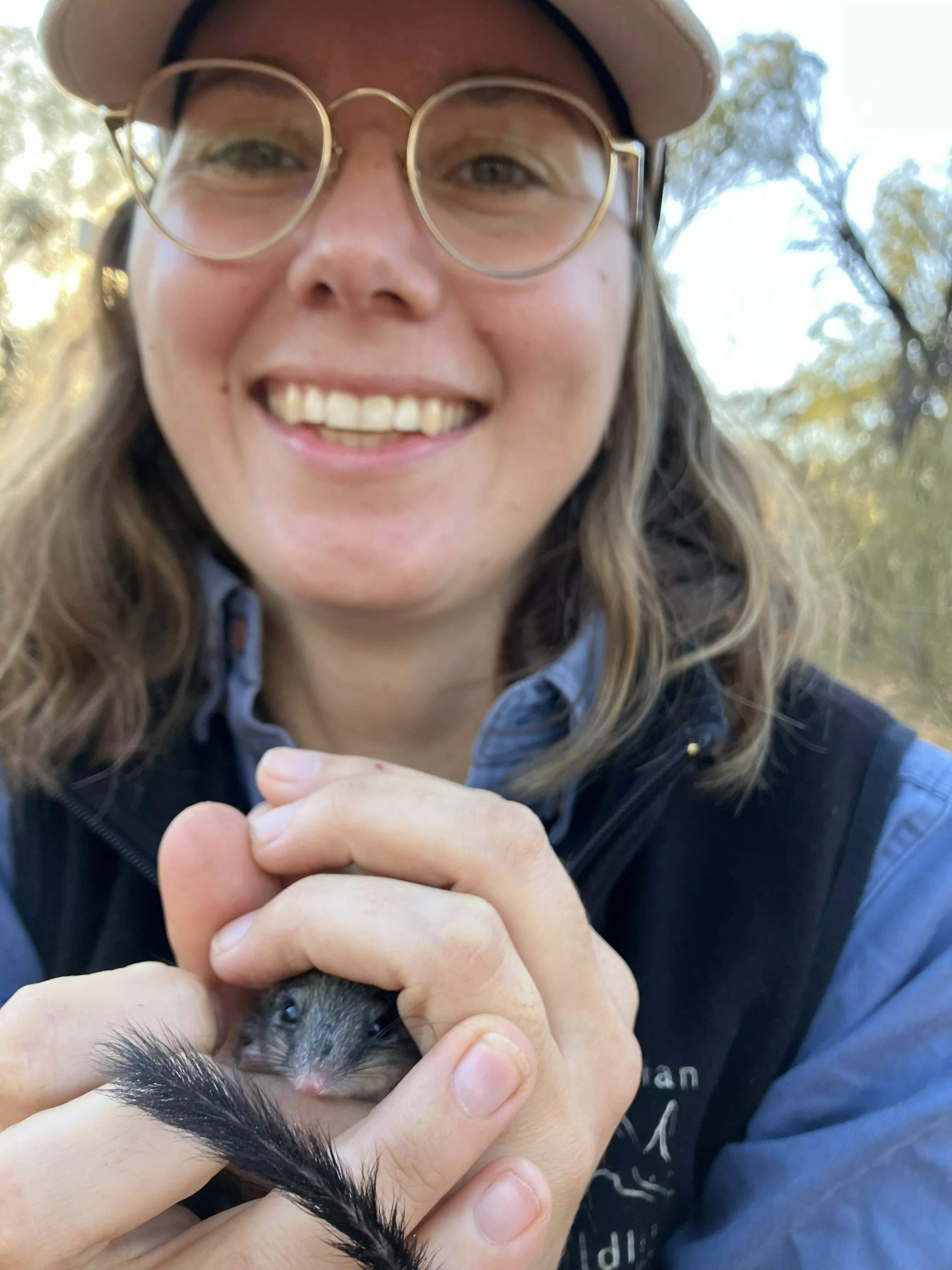
Growing up in the bush of north-east Tasmania, the jungles of Indonesia and mountains of Bulgaria, I was always surrounded by wild animals. But I could also see that some of them needed help. Their forests were being cleared and feral animals were hunting them, and I wanted to spend my life helping them. That’s what conservation ecologists, like myself, do. We study animals and plants to understand how they are doing and figure out the best ways to protect them.
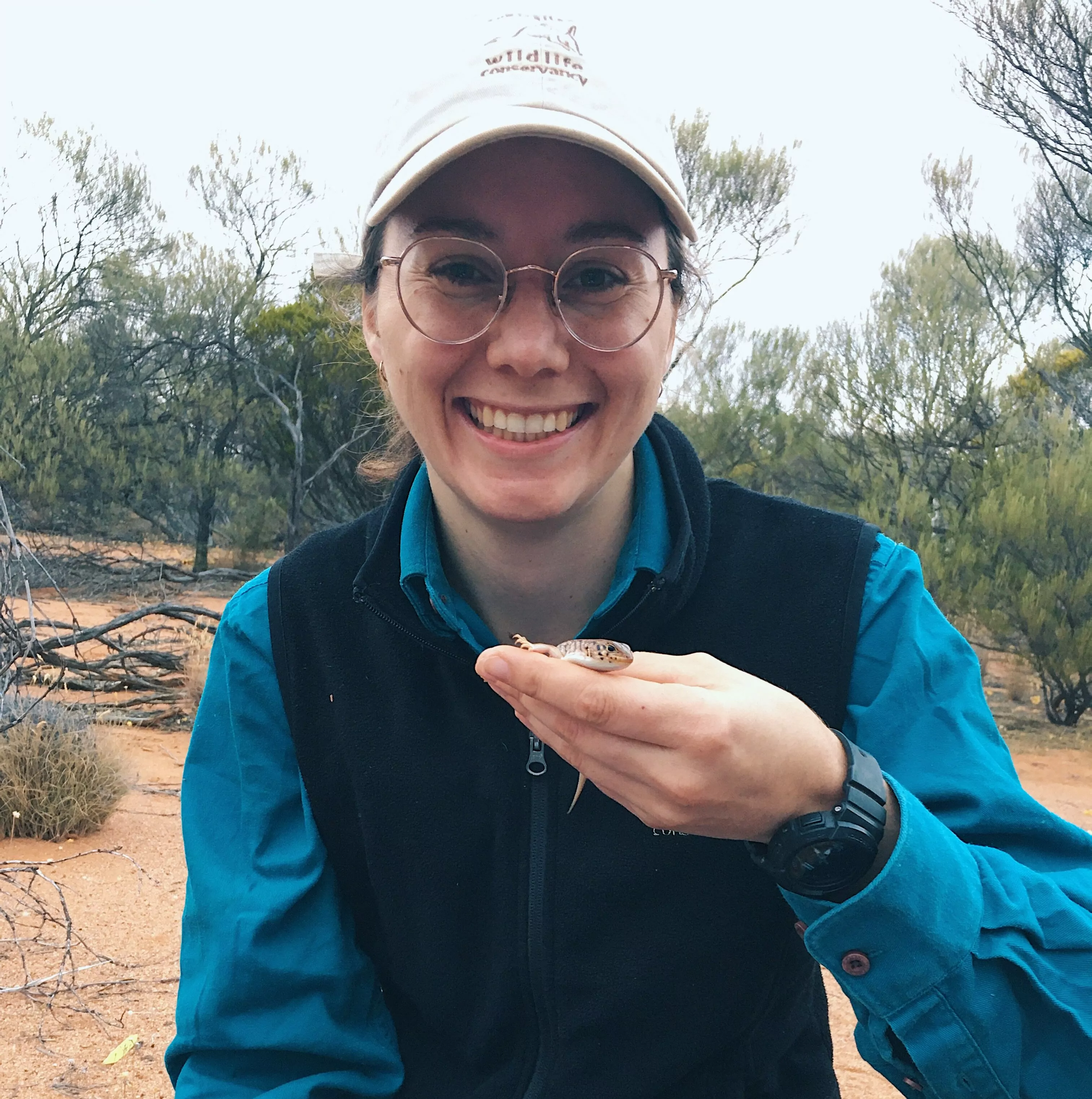
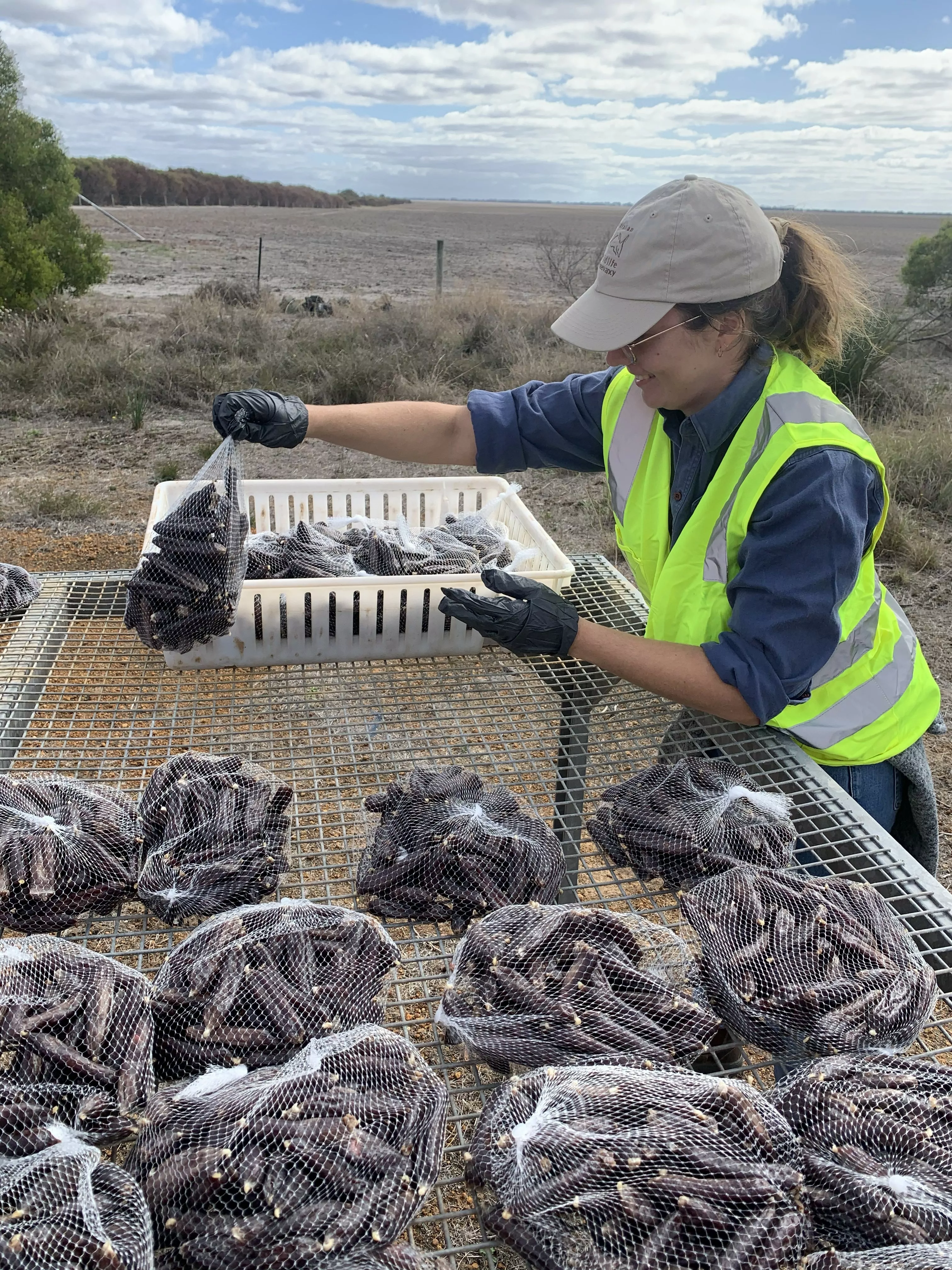
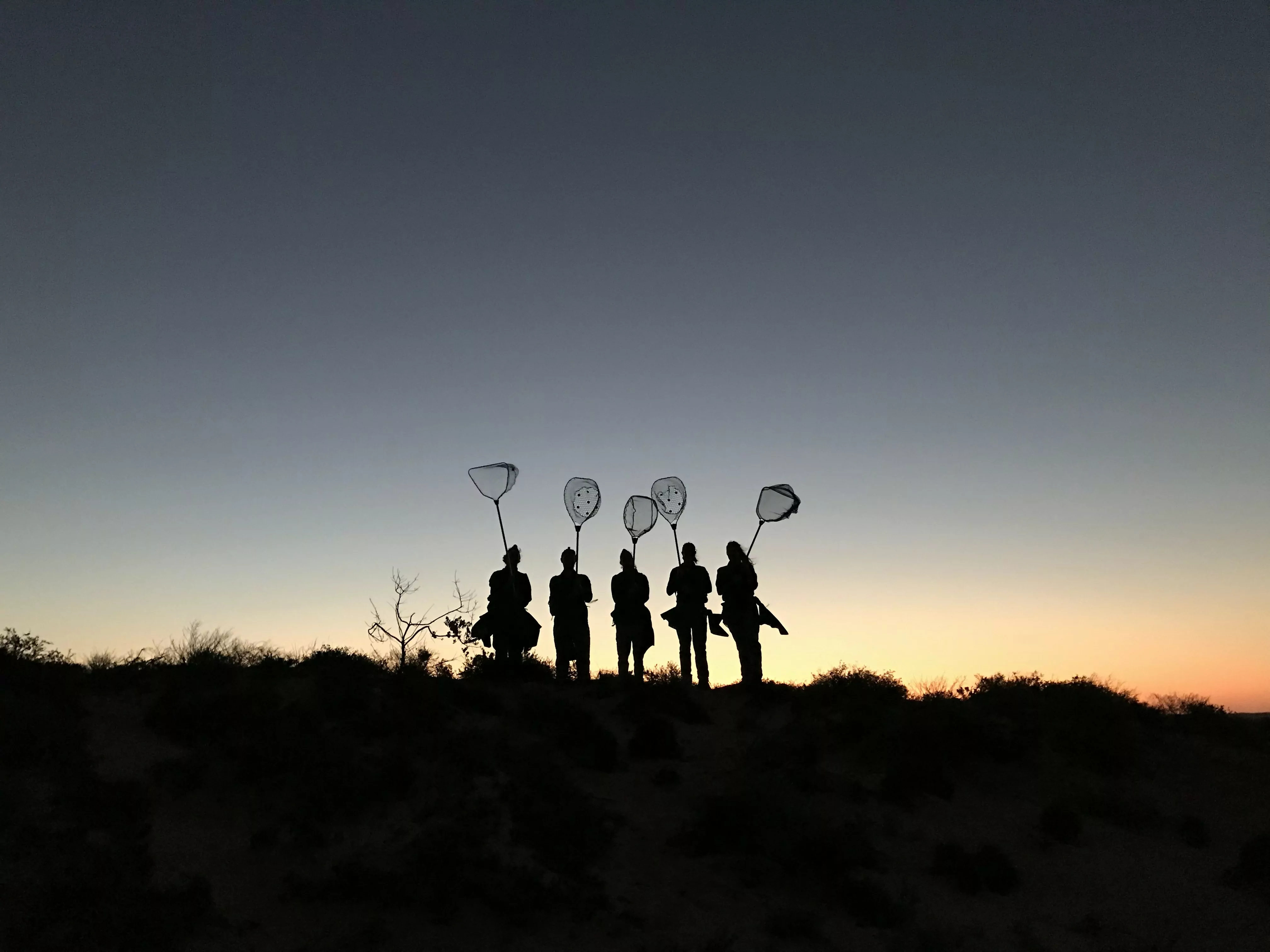
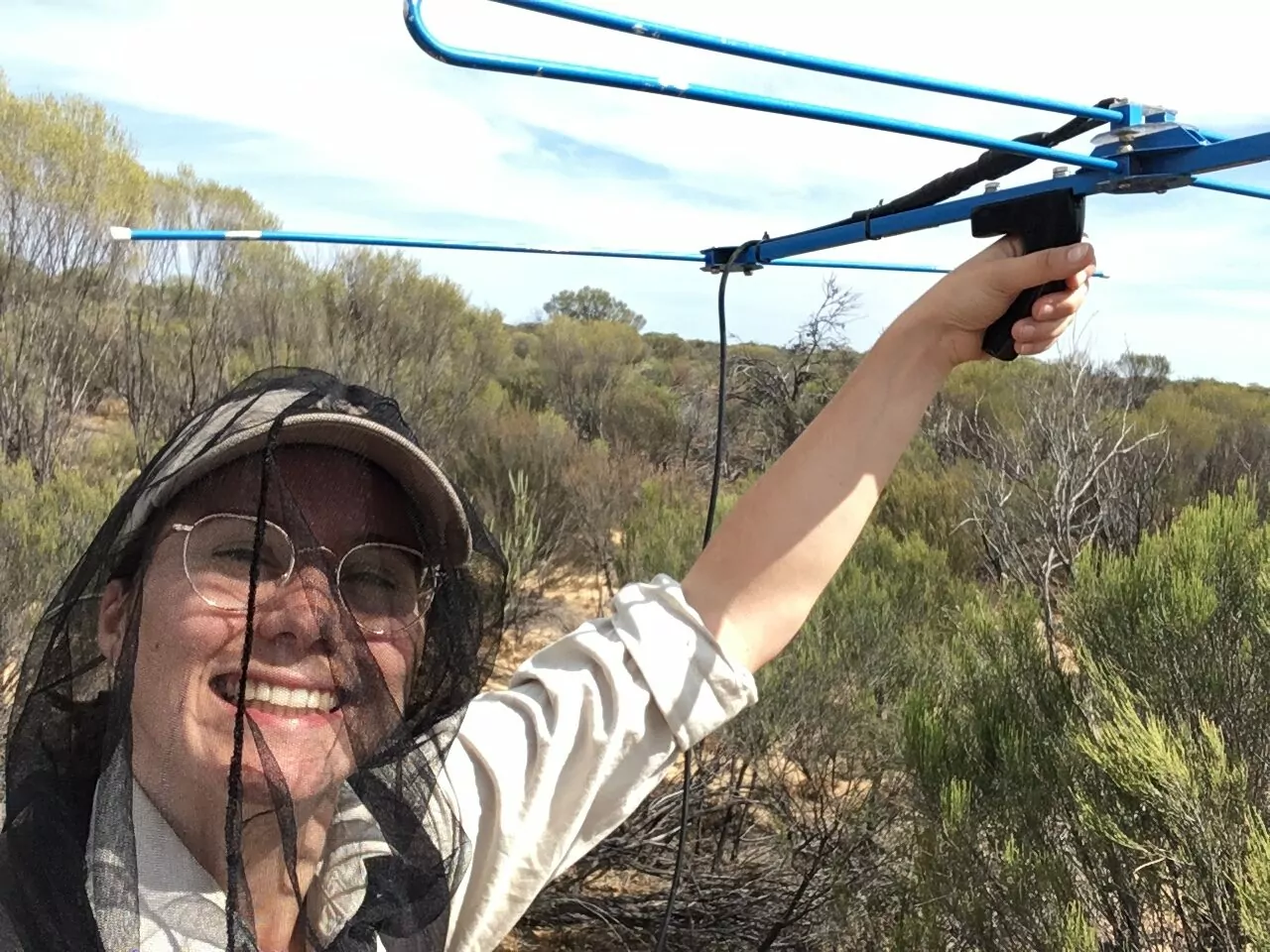
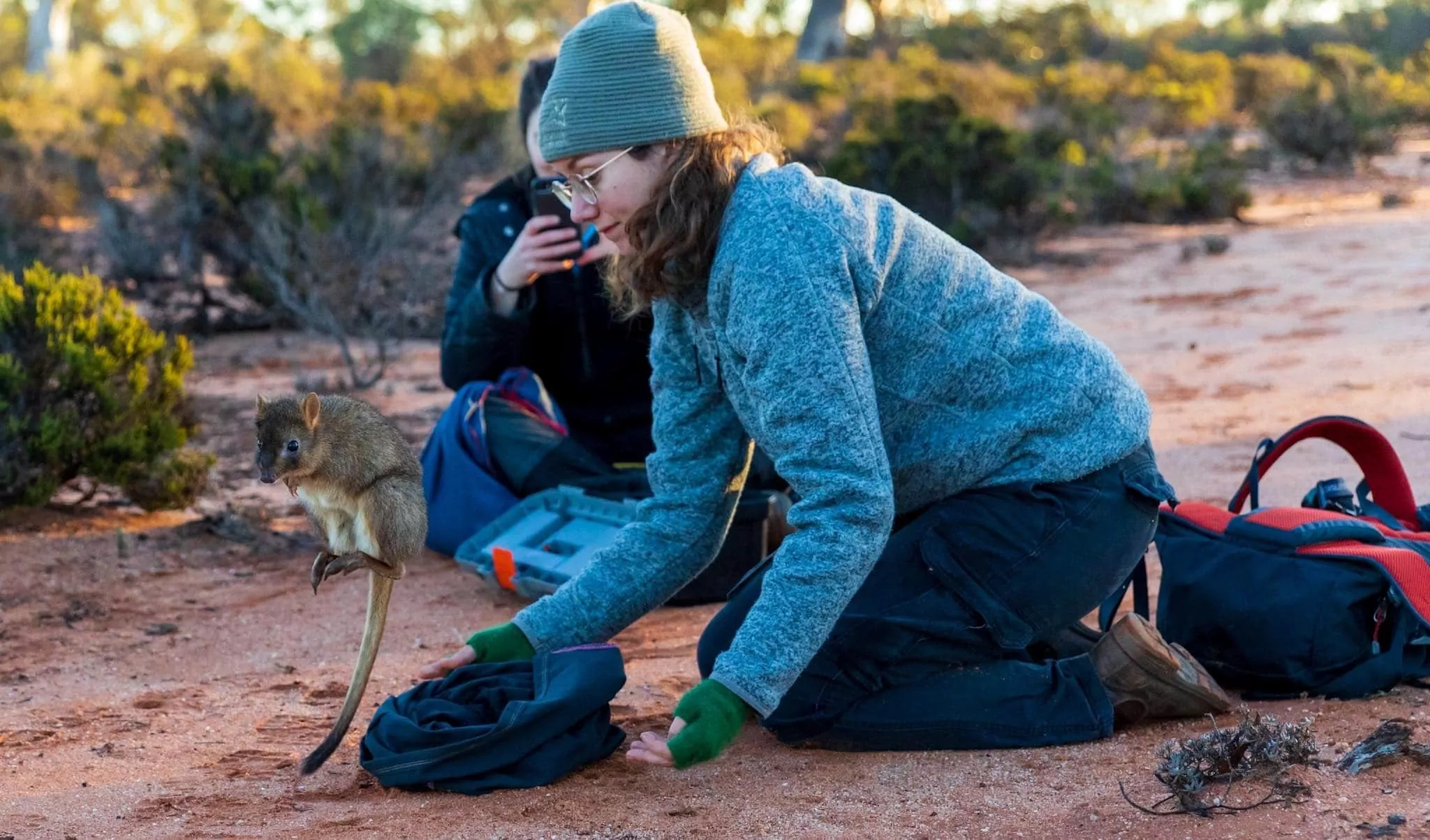
But here’s the problem – many threatened animals are incredibly hard to find! And so my career has been one long puzzle, figuring out the best way to monitor each species so that so we can give them the best chance of survival. I’ve spied on animals across Australia with cameras, with drones, with spotlights and with traps, and even by looking for their footprints or listening for their calls. I can even identify individual animals and figure out how healthy a population is just by extracting DNA from a tiny piece of their poo, fur or scale!
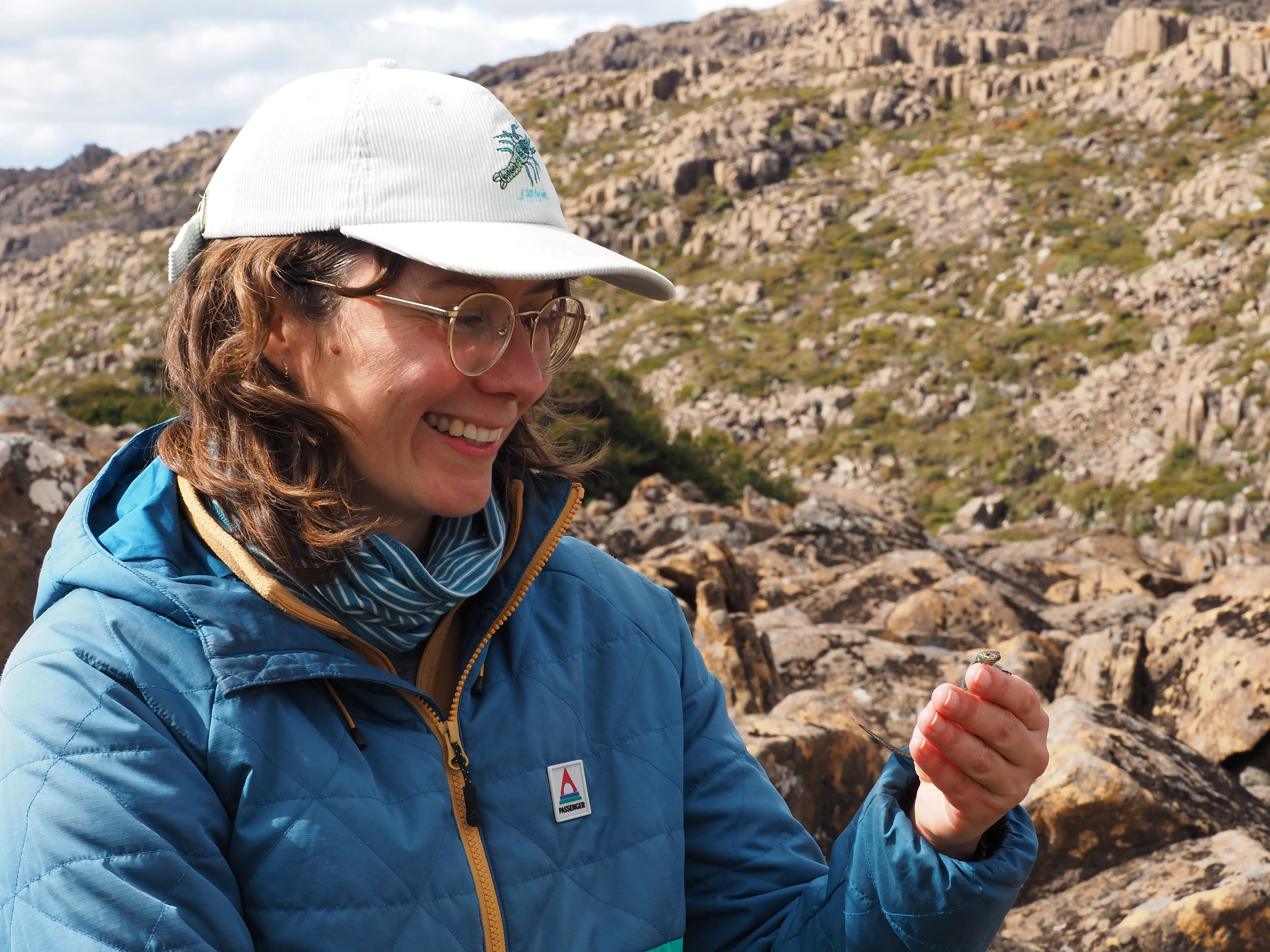
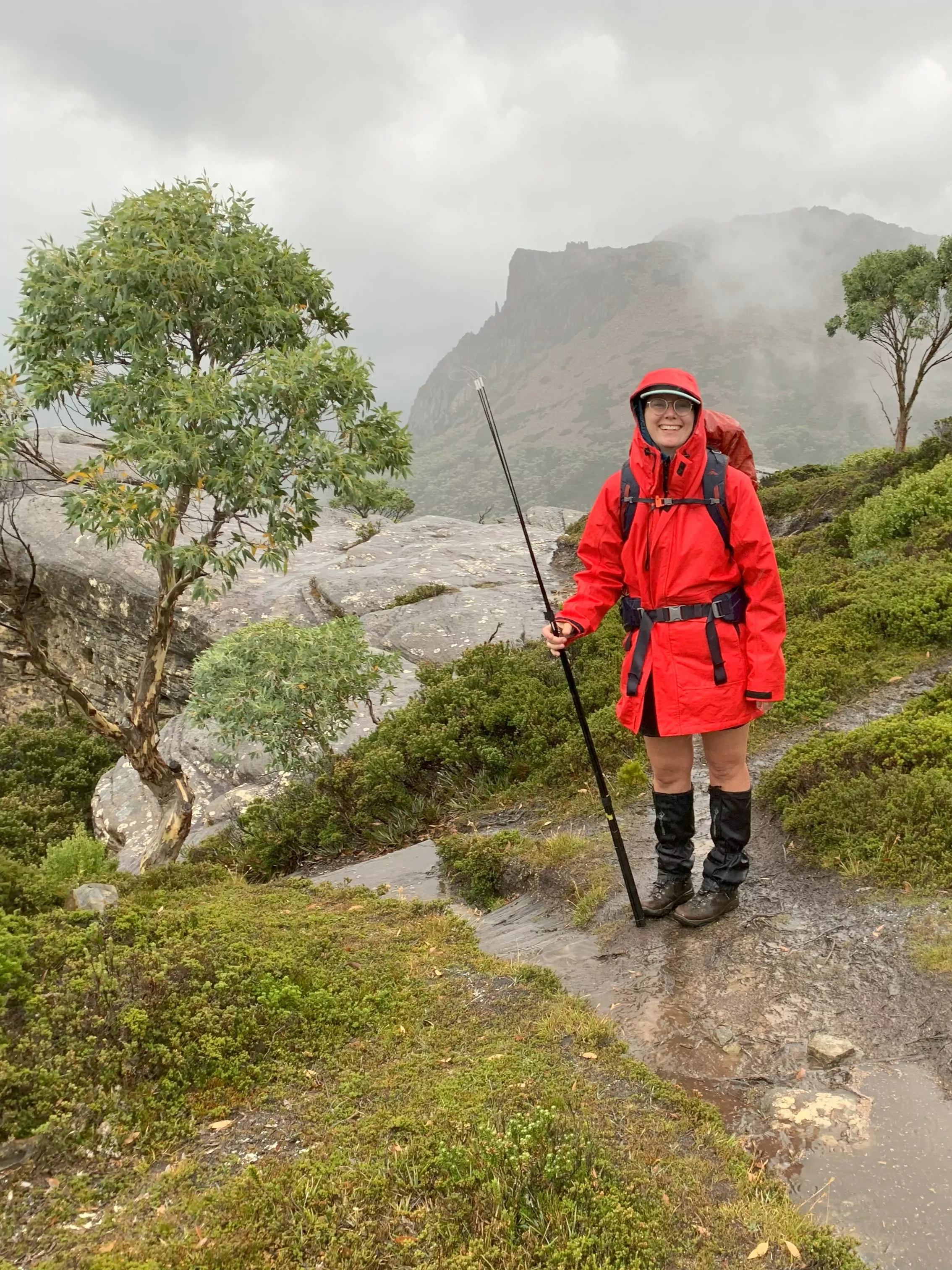
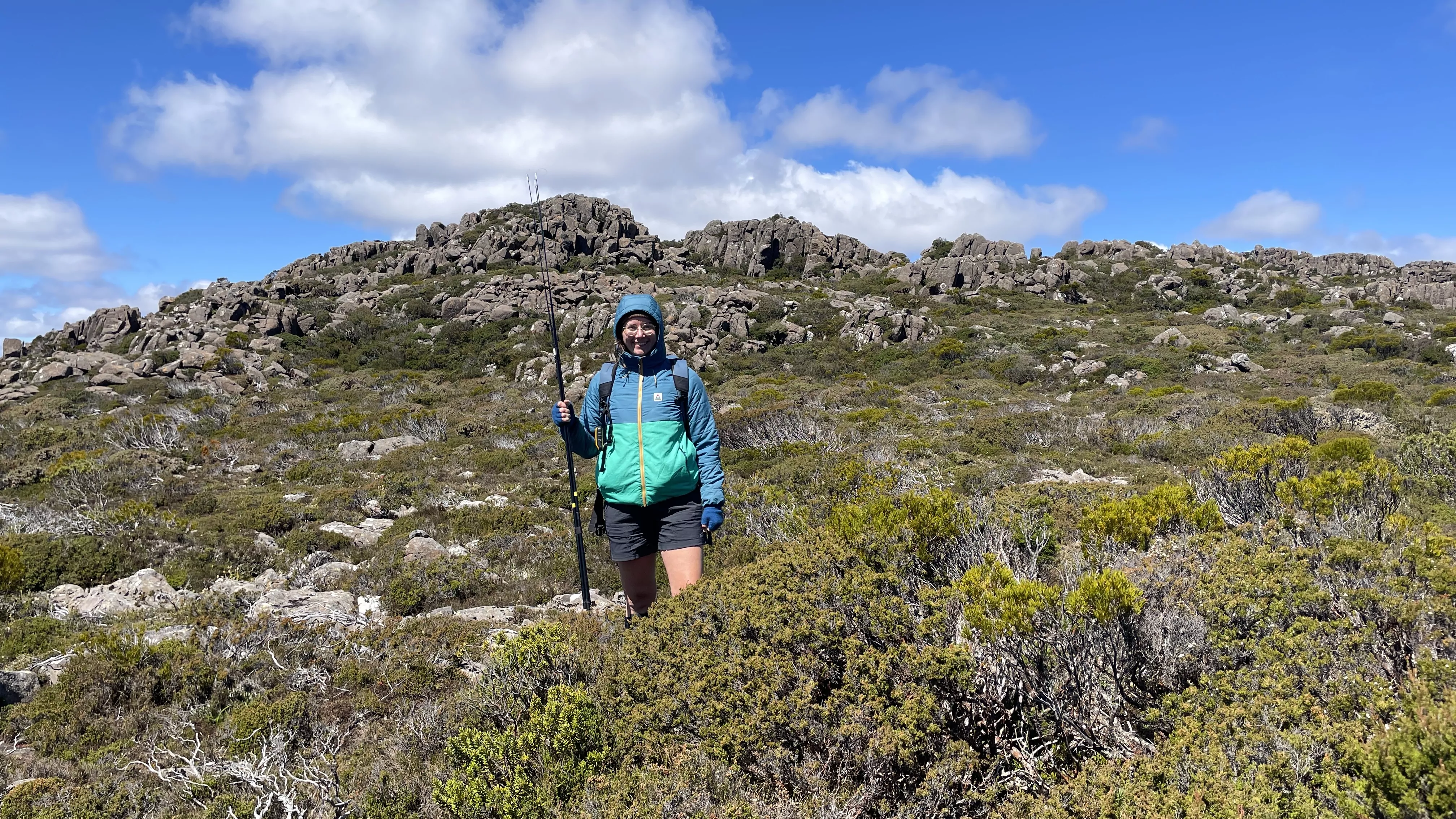
In my job, I use a fishing rod, a mealworm and a lot of patience to catch threatened lizards that live on the mountains here in Tasmania. These lizards are called snow skinks because they are built for the cold and snow. As the air gets warmer from climate change, I am trying to find out if the snow skinks are healthy enough, if other lizards from lower down the mountain are moving into their territory, and where snow skinks will be able to live in the future.
From orangutans in Indonesia, bears in Bulgaria, bilbies in the outback and snow skinks on Tassie’s mountains – there are threatened animals everywhere, and finding them is the first step to saving them.