Field of research/work: Marine Science - ecology and fisheries
YTS Years: 2026
Nicolas's Notable career moments
I did my first dive
I graduated high school and was unsure of what do to next
I volunteered as a survey diver collecting data for marine parks
I worked as a dive guide on a remote Caribbean coral reef
I became a dive instructor and began teaching students to dive
I moved to Tasmania to start my marine science degree at IMAS
I began volunteering with the scientific diving projects at IMAS
I got my commercial grade scientific diving qualification
I got my first job in marine science, diving to monitor and restore giant kelp habitats
I completed my bachelor’s degree in marine science
I started my honors research year and joined YTS
About Nicolas Horniblow
Did you know that we have a more detailed observational and theoretical knowledge of outer space than we do of our own oceans? It’s our largest environment, covering over 70% of our earth’s surface and is majorly responsible for our weather and climate, but 95% of it remains unexplored. These often-shared facts drove my interest in the marine world; with its promise of adventure and seeking the unknown in the deep sea. But it turns out you don’t need to sink yourself in a submarine to the deepest undersea trenches, much less point a telescope at some faraway galaxy to find something new and bizarre. The truth is you can come across aliens from your wildest dreams in very shallow water, a short swim off the coast of this very island.
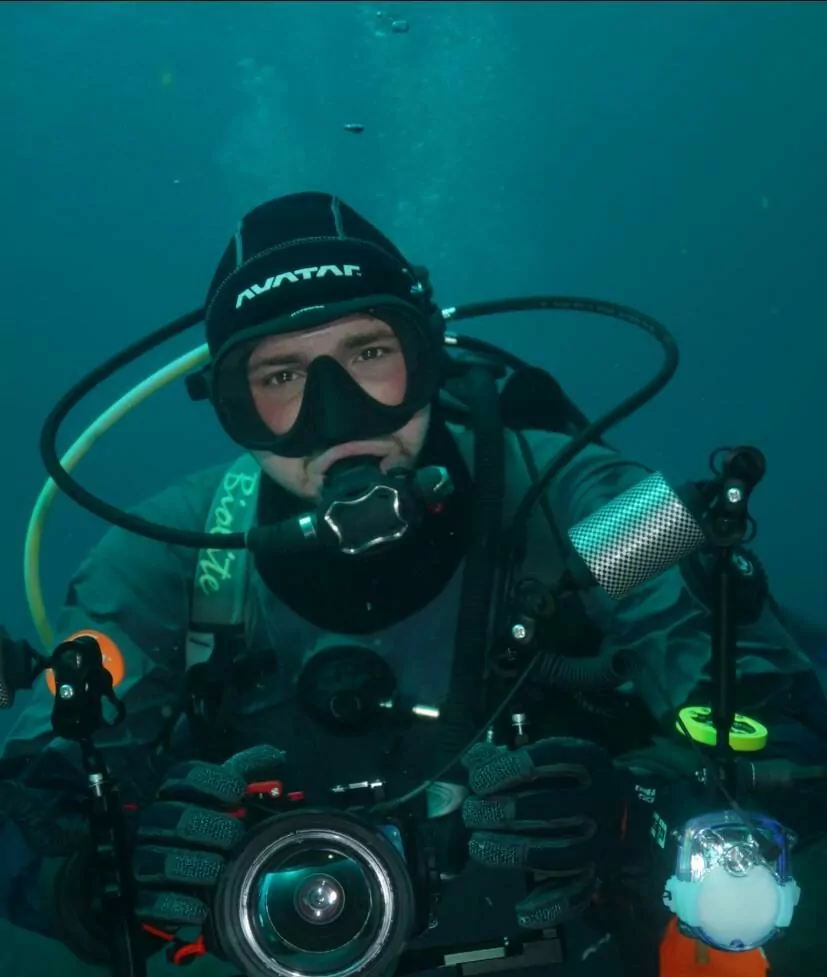
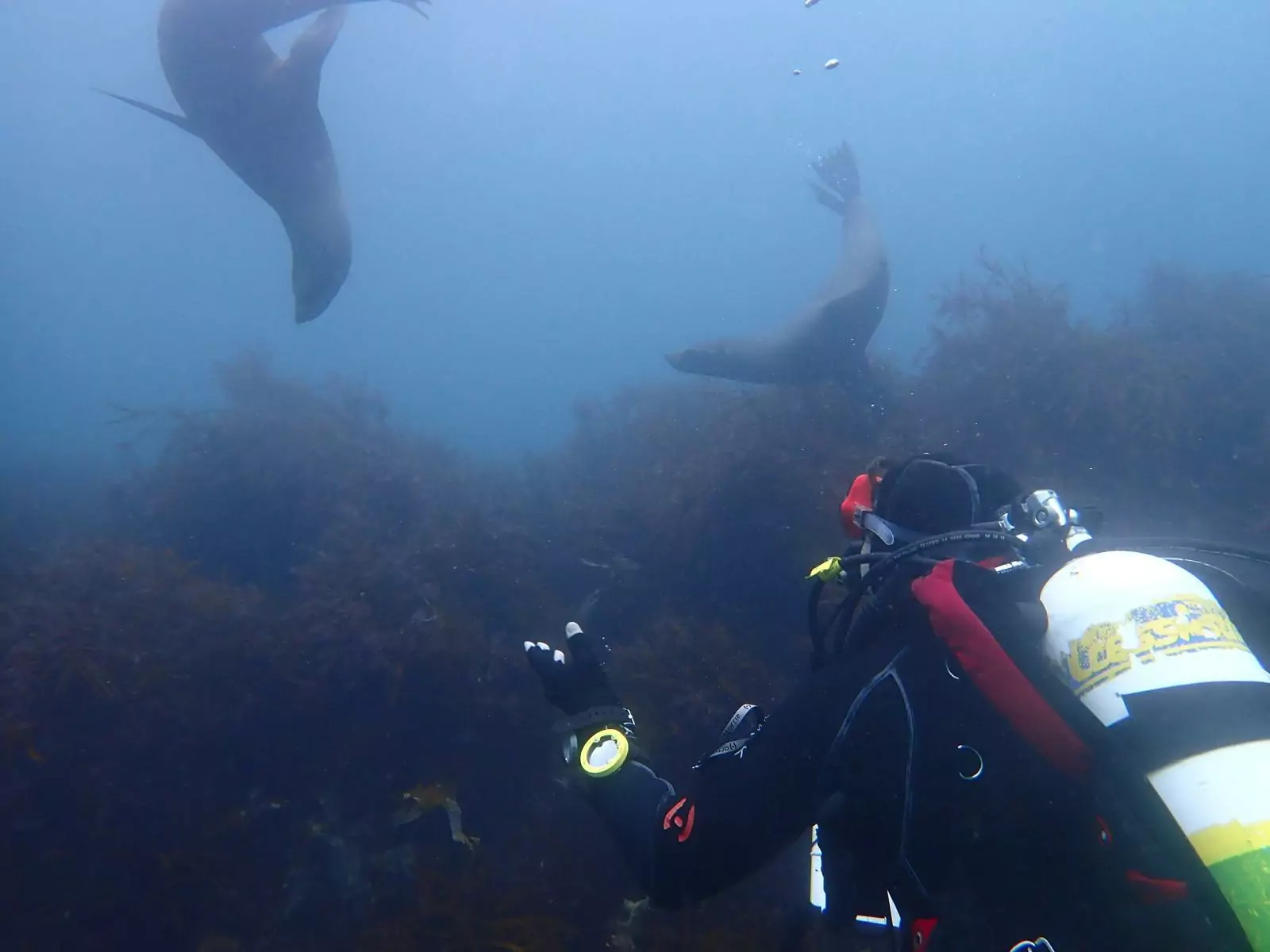
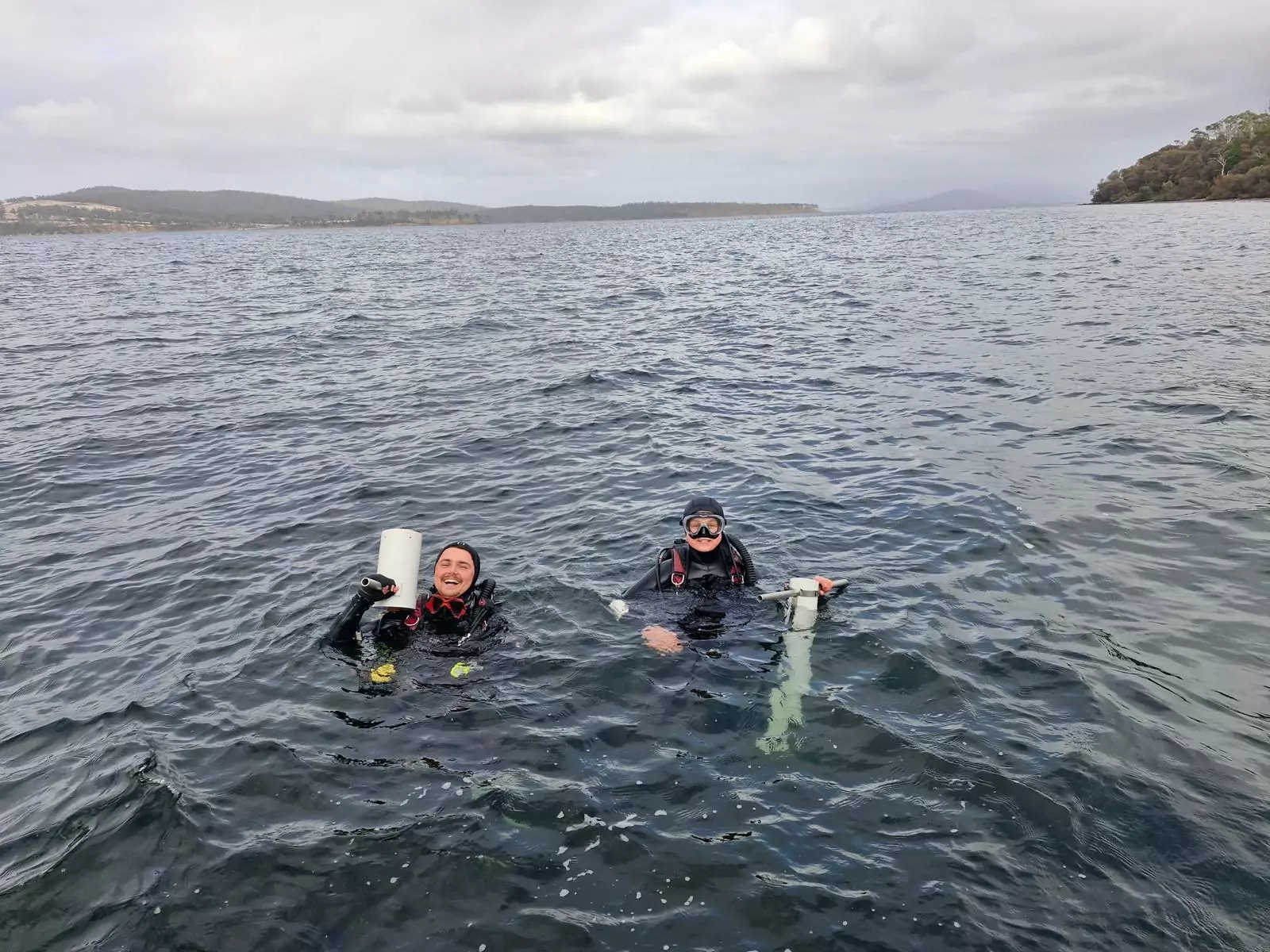
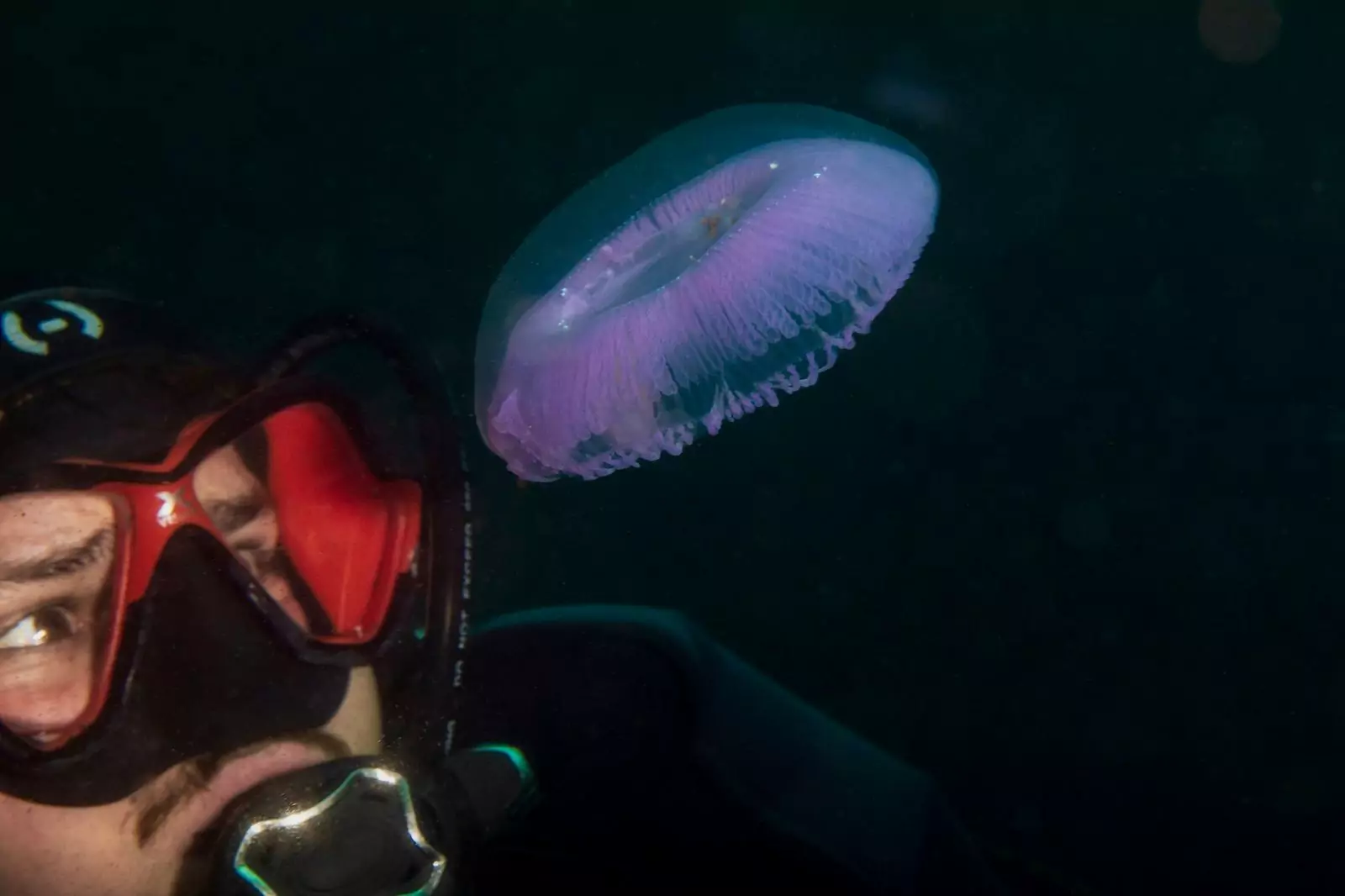
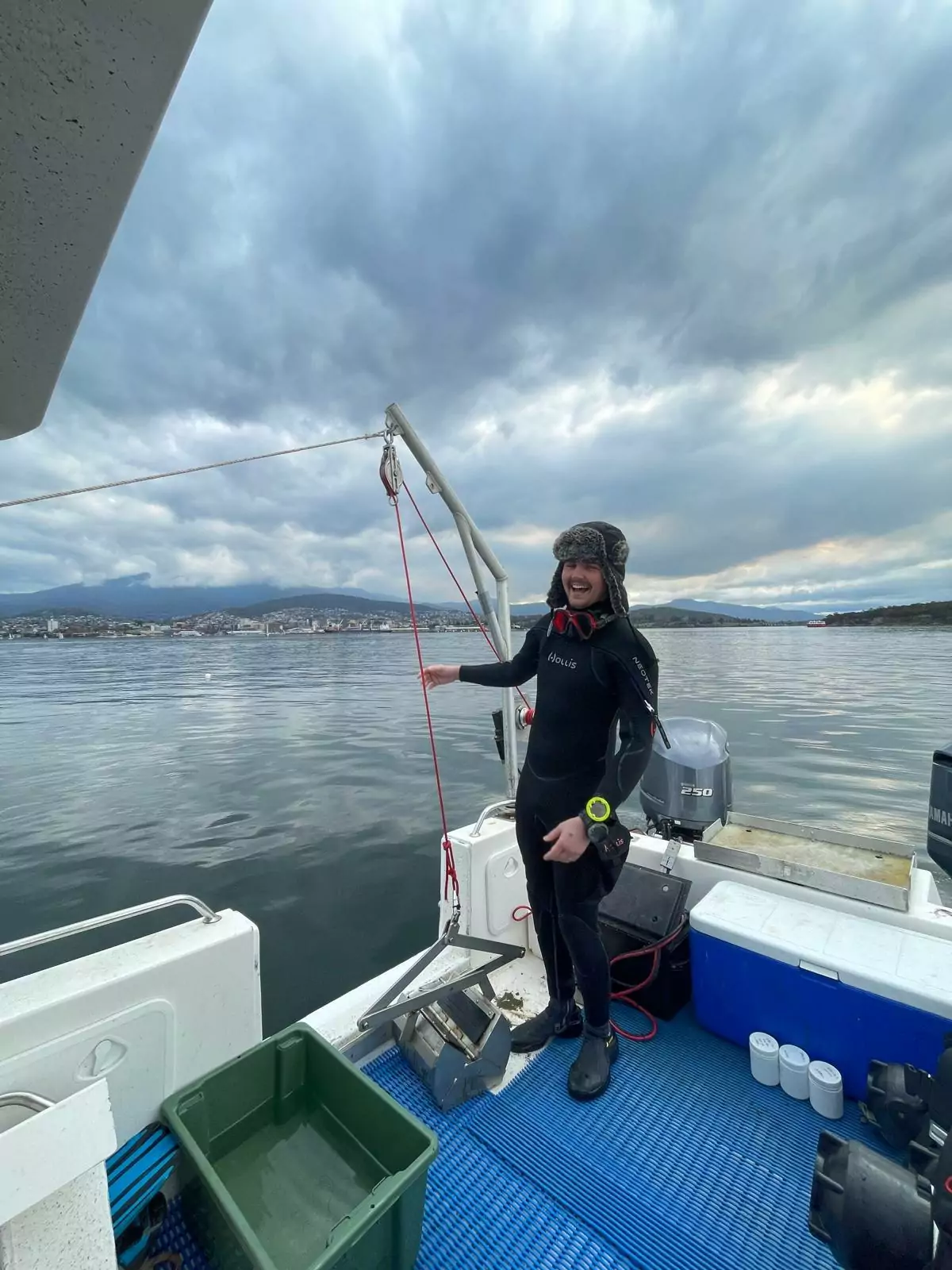
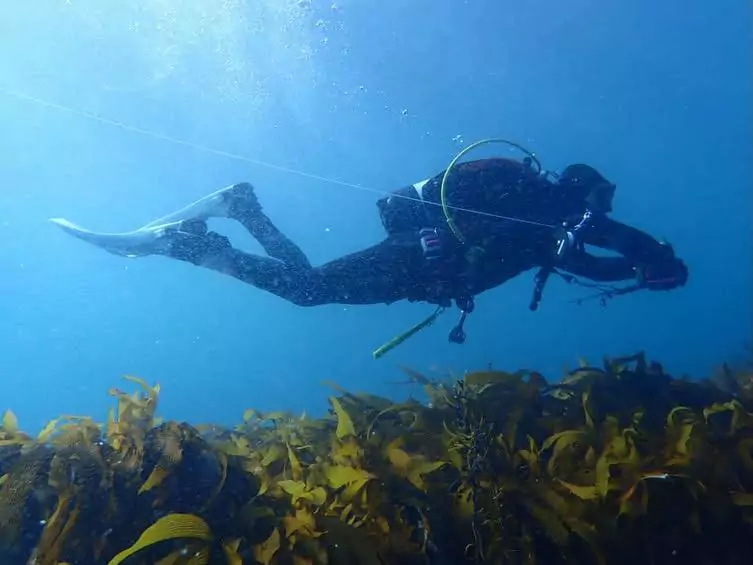
I’m Nick, a marine scientist and commercial diver from IMAS with a passion for all the little creepy crawlies of Tasmania’s unique marine environment. On weekdays, I’m an honors student studying how fishing pressure might be changing the metabolism and growth of a well-known Tasmanian fish species – the sand flathead. On weekends, I teach people how to scuba-dive, helping them to interact with and learn about marine life. But every now and then, I get to work as a diving scientist, going underwater to turn what I observe into data that helps us better understand our coastlines and marine animal communities. When I dive, I’m always trying to photograph weird little animals that rarely get observed, because some of them are new species waiting to be named and discovered. There is still so much we don’t know, but our oceans are changing around us every day. My goal as a marine scientist is to further our understanding of our human impact of the marine environment, so that we can work to protect what we don’t yet understand and continue to make new animal discoveries before they become endangered or extinct.