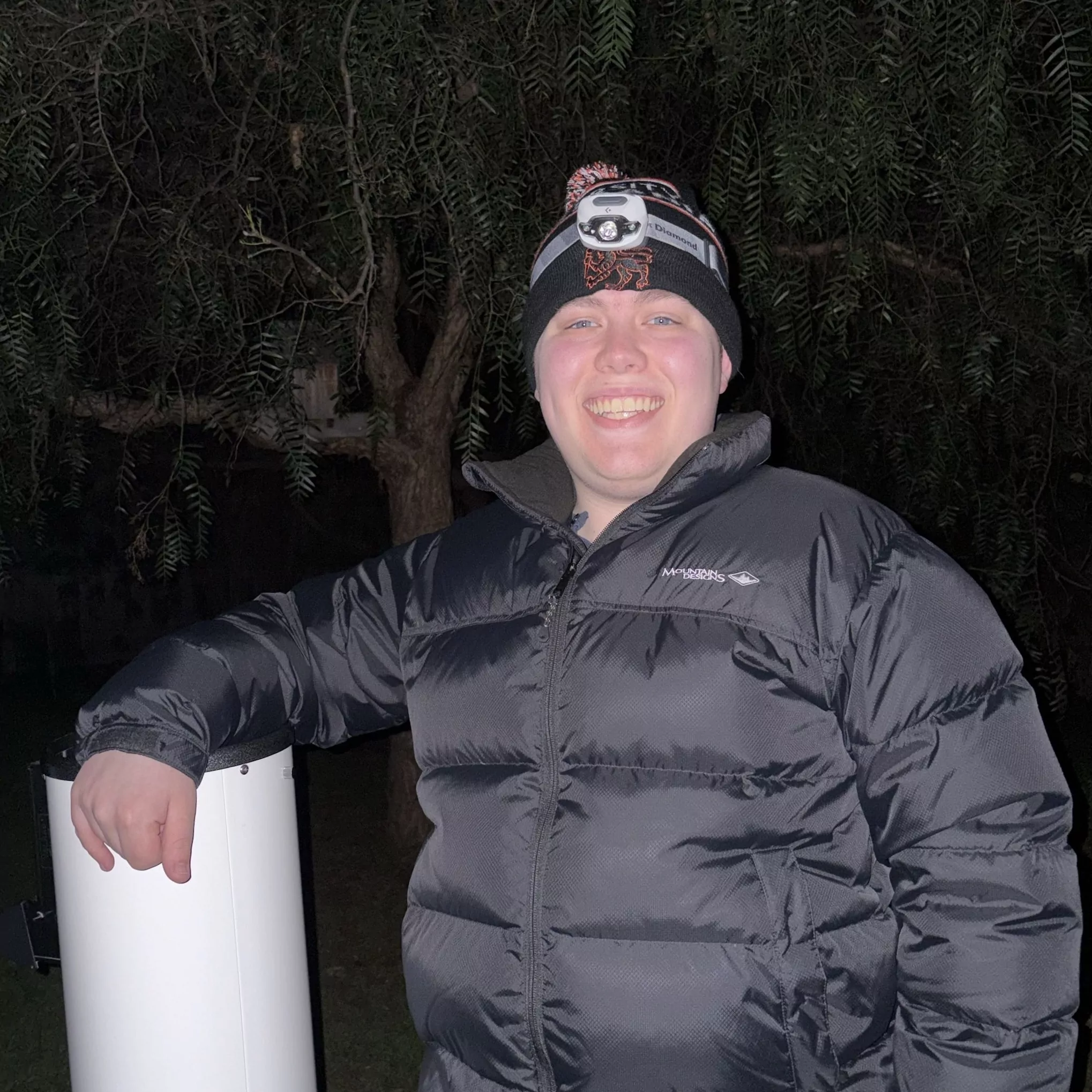
Have you ever seen or read about something that made you feel so excited that you couldn’t learn enough about it? It could be discovering how diamonds are made deep below the Earth’s surface, seeing incredible images of icy volcanoes in distant parts of the Solar System, or learning of the many mysterious deep-sea creatures that make their own light. Whatever your passion, or if you are still searching for yours, I would love to share mine with you!
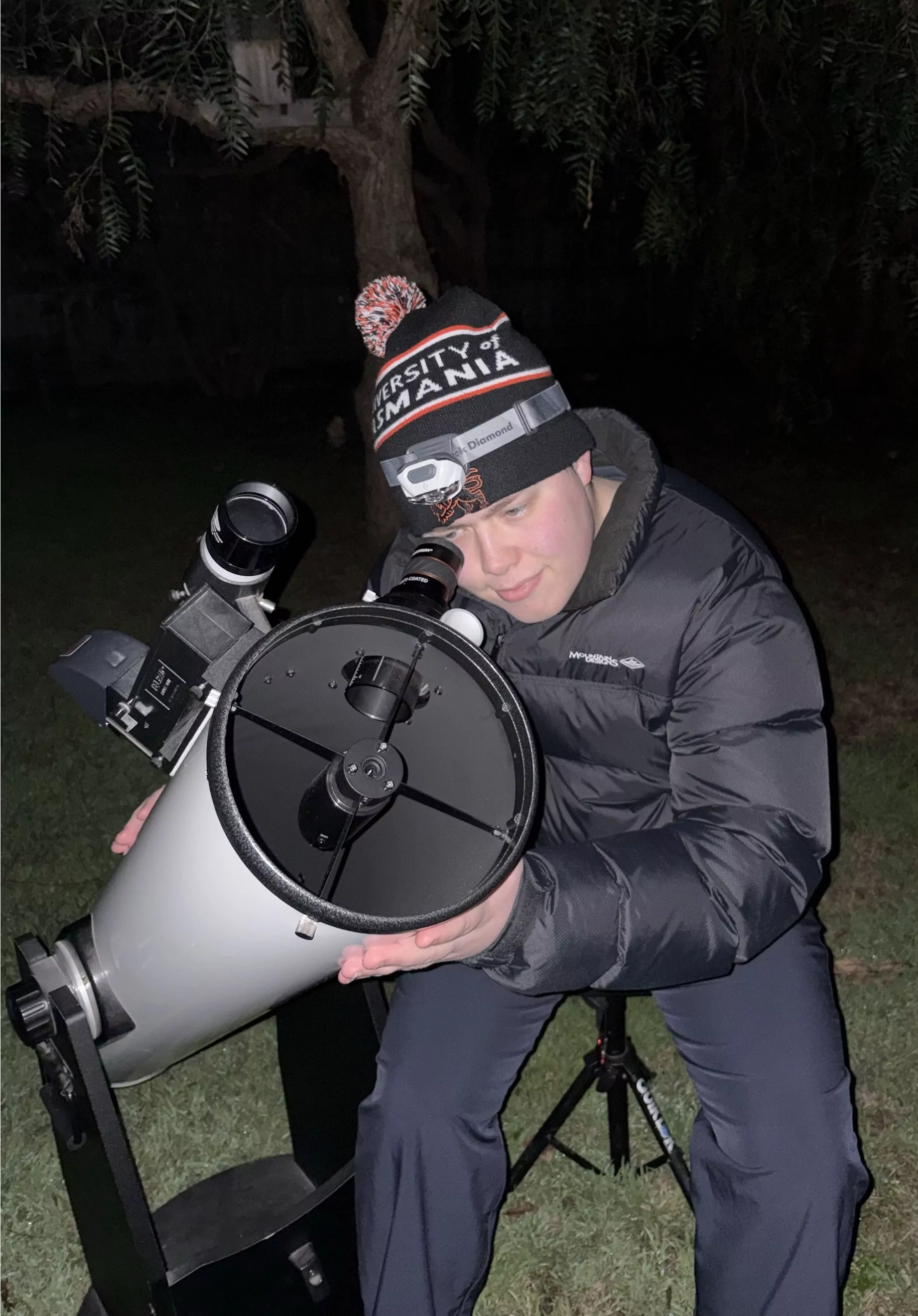
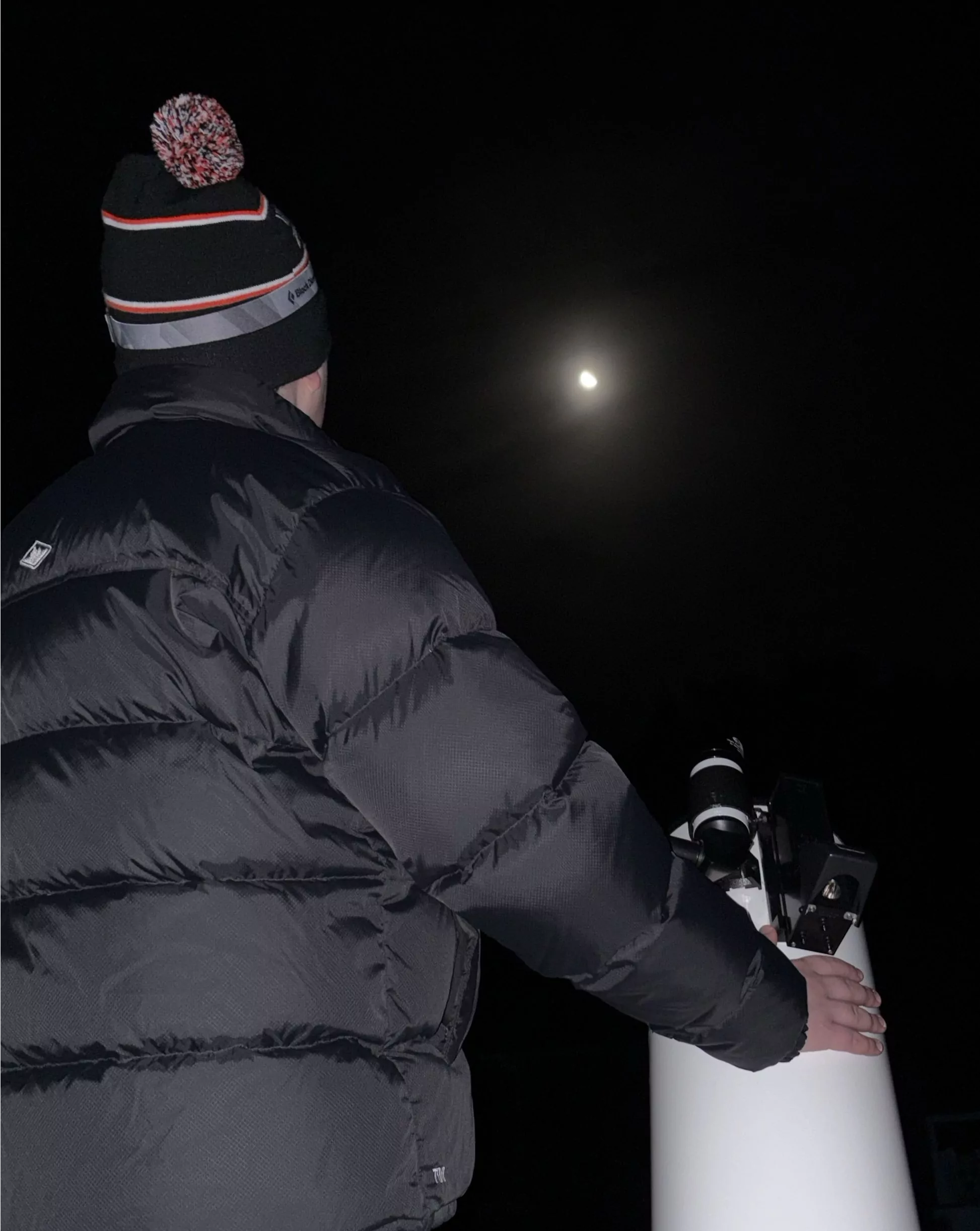
When I was four, I got my first book about space: I Discover Stars and Planets. This introduced me to the many wonders of outer space, and it quickly became my favourite book – I was hooked! After being gifted my first telescope when I was six and seeing Saturn’s magnificent rings and the dance of Jupiter’s moons, I decided that I wanted to learn all about space and become an astronomer when I grew up.
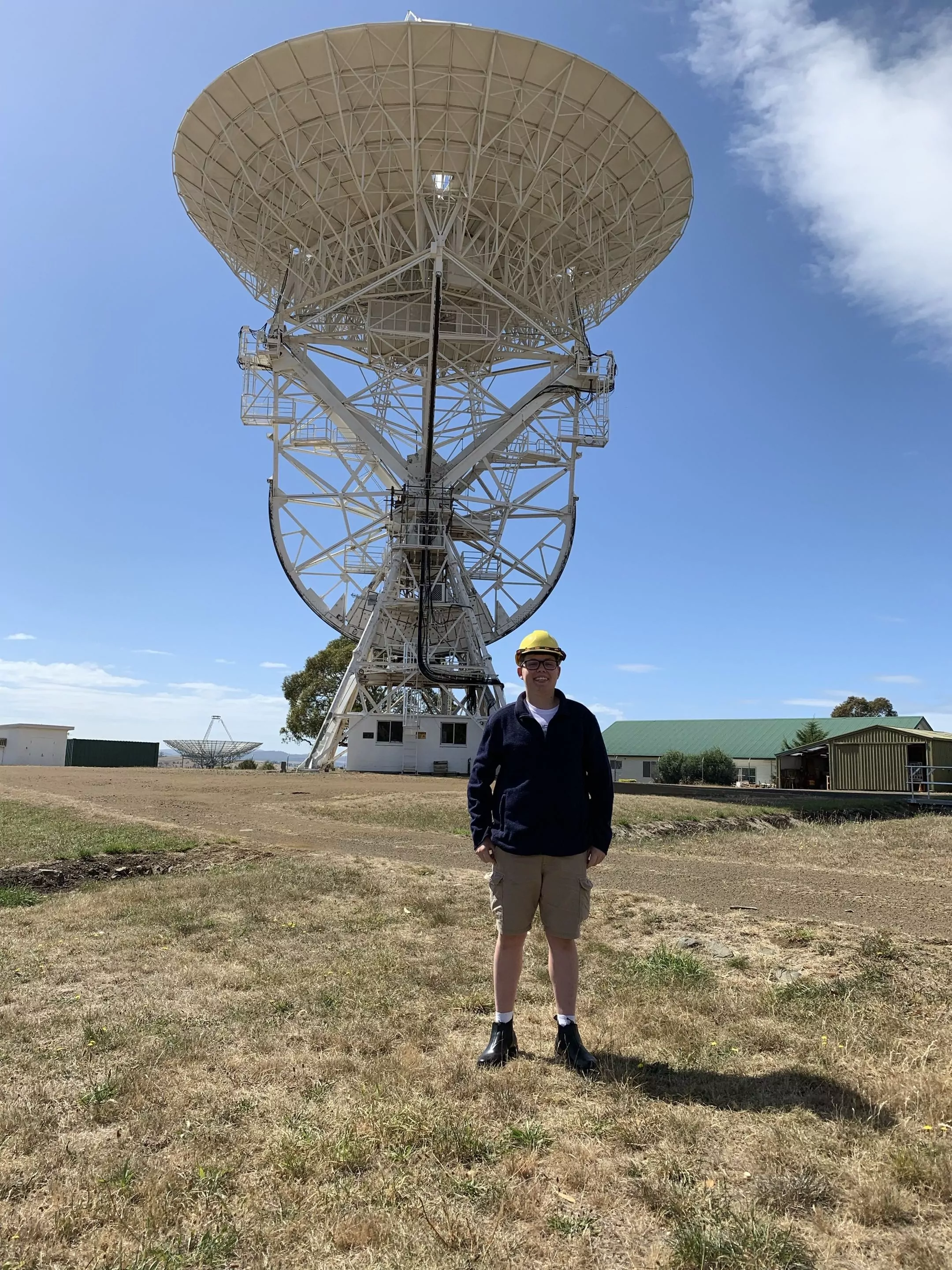
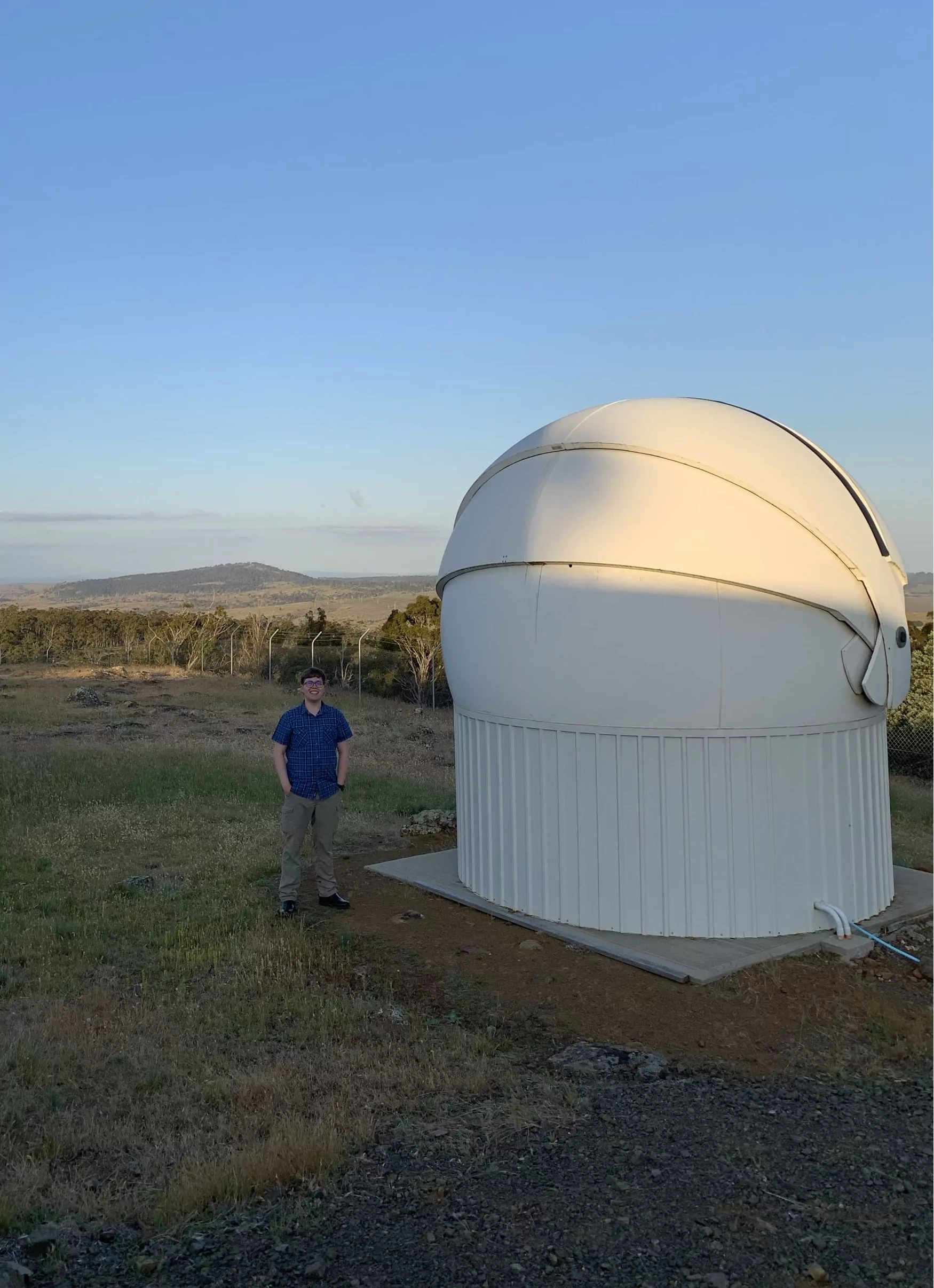
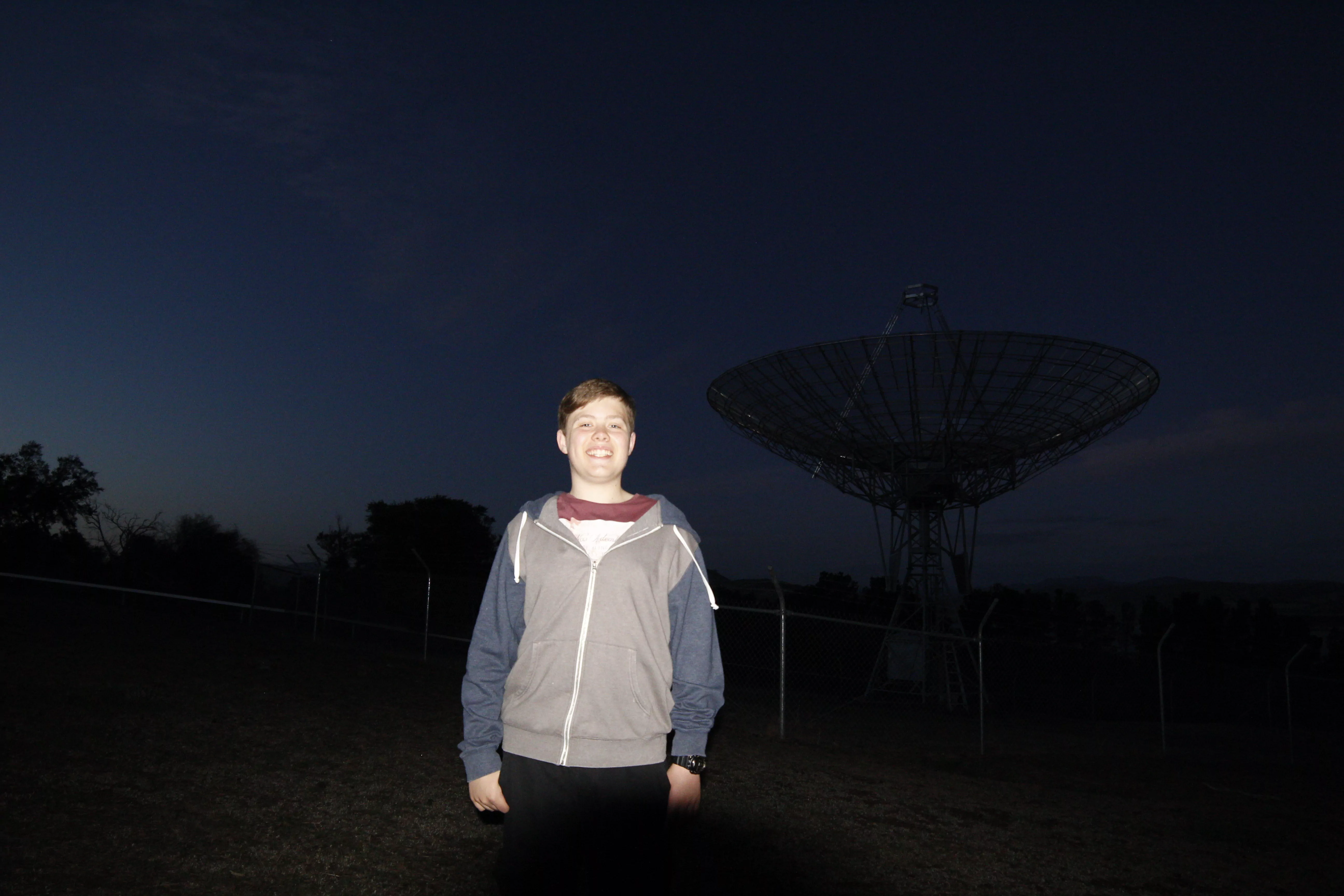
Now, I research asteroids – clumps of rock and metal which mostly orbit the Sun between Mars and Jupiter in a place we call the asteroid belt. But some of these orbit much nearer to the Earth, so we call these near-Earth asteroids, and sometimes they get so close that they pass between the Earth and the Moon! I observe these with radar, which is usually used on Earth to track ships and planes using radio waves. The way I use radar lets me find out how fast they are spinning, how big they are, what their surface is like, and track where they are going next! I also track spacecraft on missions to study Mars, Mercury, and Jupiter. I do this with the University of Tasmania’s radio telescopes and use them to research space weather – yes, there is weather in space!